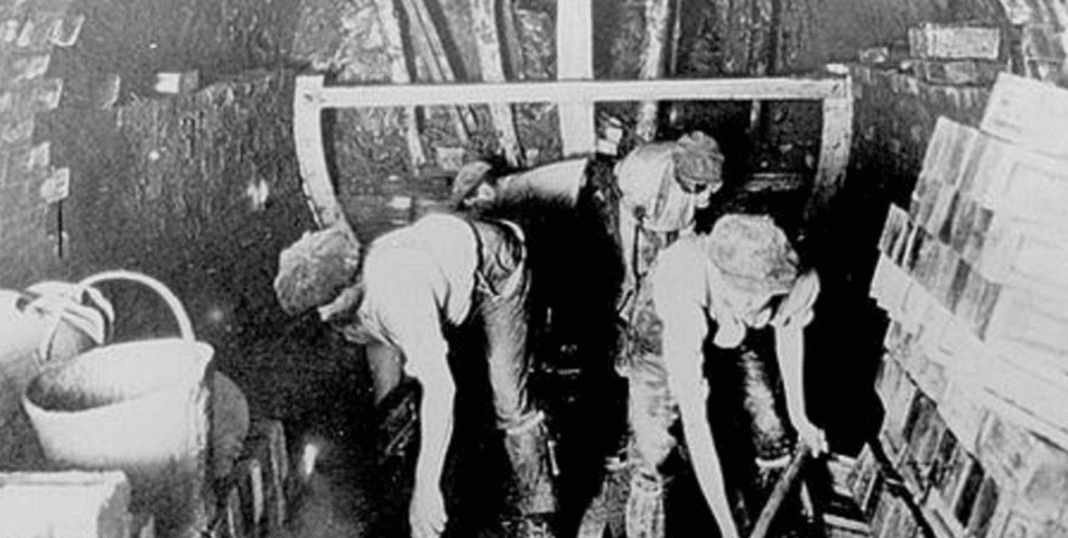

Manchester defended itself with various measures during the First World War. One of these was an underground defence structure. In particular, the contractor of the Manchester Corporation, John Norton-Griffiths, proposed the idea of creating a tunnel corps. Dozens of workers from Manchester took part in early World War I tunnelling missions as a way of attacking German trenches. In total, the Manchester engineers created 3,000 miles of passages under the frontline. Learn more at manchesteryes.com.
The First World War on the territory of Great Britain
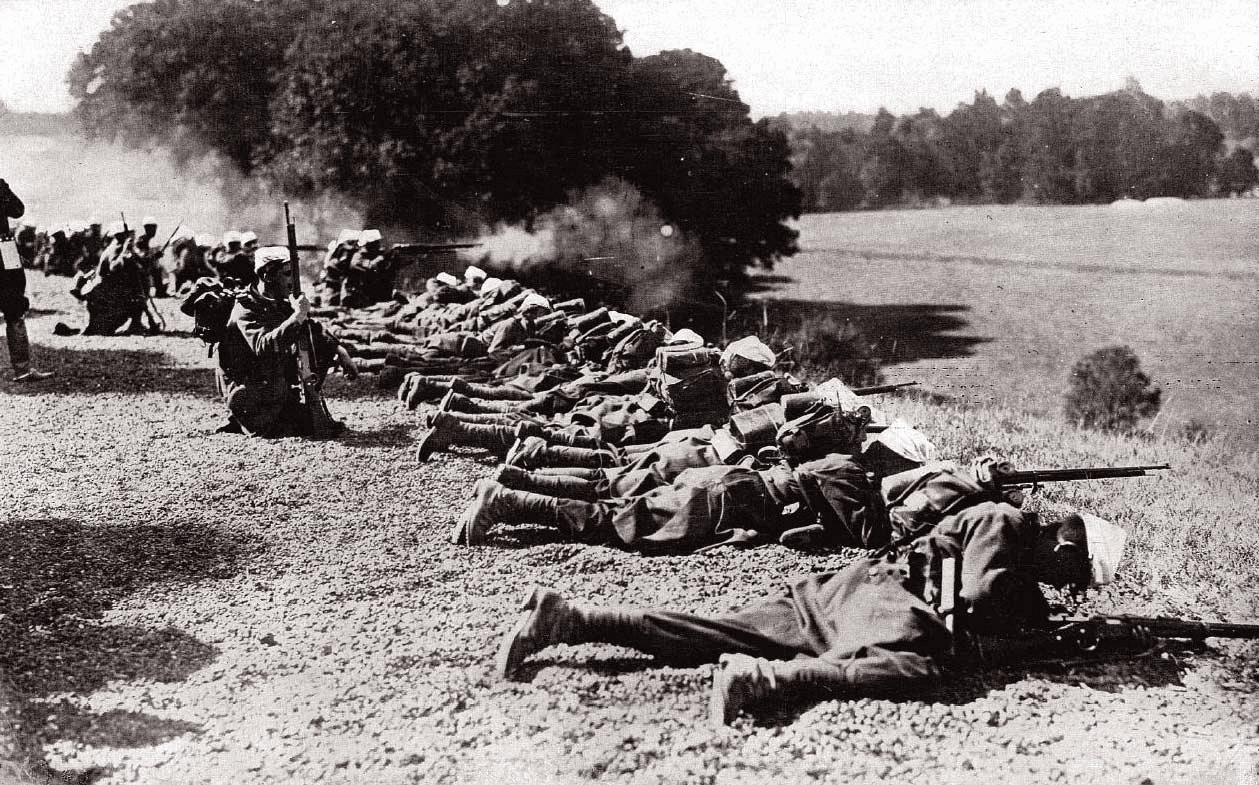
As you know, the First World War began with the assassination of Archduke Franz Ferdinand. In this military conflict, Great Britain was a leading member of the Allies. It waged battles against the Central Powers, the main of which was Germany.
It should also be noted that during the First World War, the armed forces of Great Britain were significantly expanded and reorganised. In addition, the Royal Air Force was created in that period.
Manchester’s role in the First World War
The British city of Manchester played an important role in this armed conflict. In particular, being a major industrial centre, Manchester supplied the British Army with ammunition, uniforms, equipment and other critical military goods. The city’s factories, plants and workshops were also converted for wartime production.
A decisive role was played by the townspeople who volunteered or were called into the army, navy and air force. Military training camps were established in and around Manchester to train new recruits. The Manchester Regiment took an active part in the hostilities on the Western Front, the Eastern Front, the Middle East and in the rear.
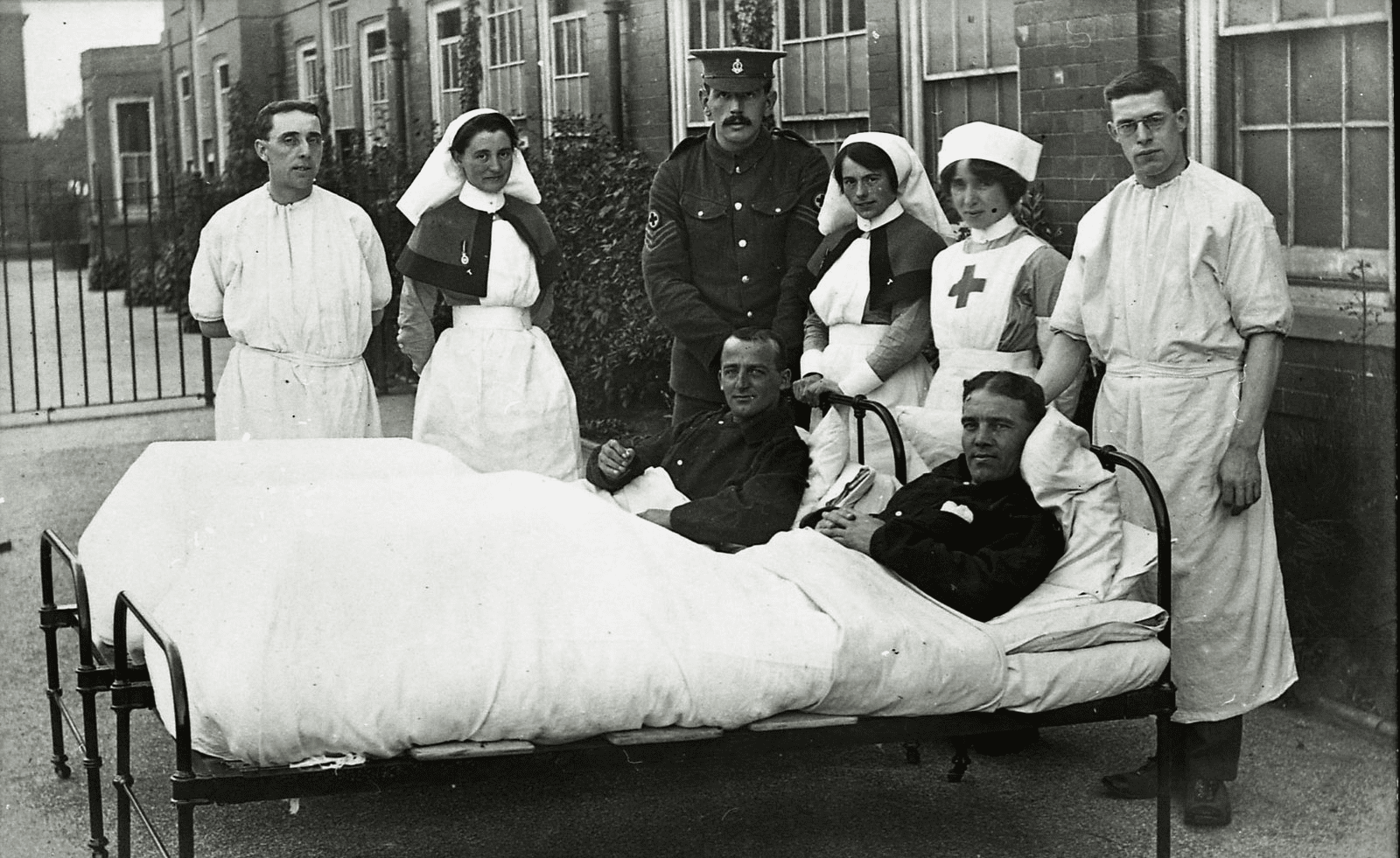
In addition, since Manchester was relatively far from the battlefield, a huge network of military hospitals was deployed in the city. Wounded soldiers were sent there from the front line.
Manchester played an incredibly important role in the First World War. It showed the resilient spirit of the city’s residents, as well as their efforts and tremendous contribution to the unprecedented global military struggle.
Defence trenches
It should be noted that the Manchester engineers, who were sent to France to build underground tunnels, were very important in this military conflict too.
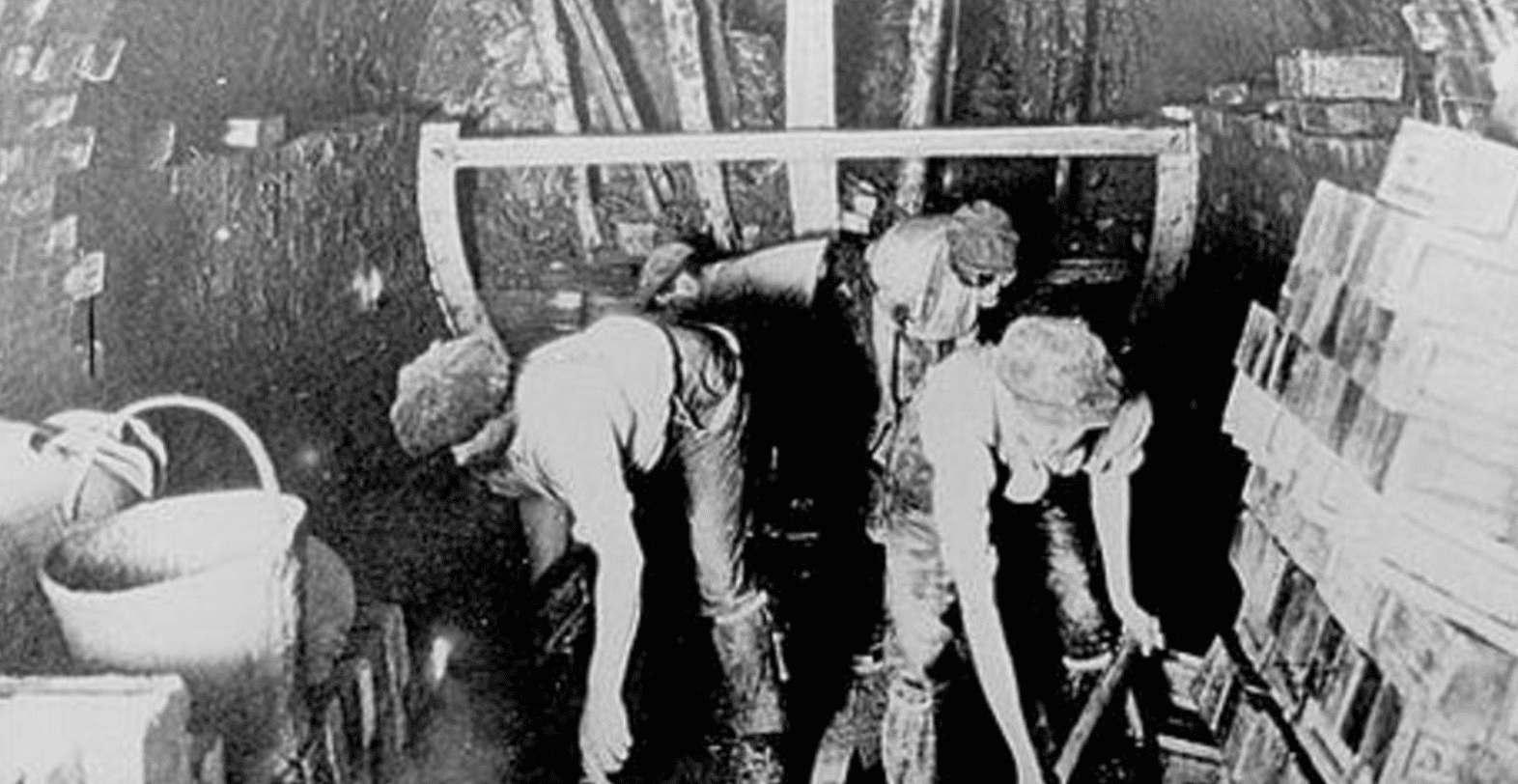
The picture shows the Manchester engineers building sewers in the south of the city near Didsbury and Chorlton-cum-Hardy. But when the First World War broke out, their contractor John Norton-Griffiths proposed to the British Army to create a tunnel corps.
The Manchester engineers possessed valuable skills. They knew how to work with the difficult clay soils of Manchester. Similar soils were located in the north of France. They worked with them using a special technique of hitting the clay. The engineers sat on sandbags while working and used all the strength of their legs to remove the clay with sharp shovels. The sitting position made it possible to quickly build small tunnels. So it was the perfect solution to catch the Germans off guard. Therefore, their strength and skills came in handy at the front.
The highly qualified work of the Manchester engineers attracted the attention of the British military. After that, they were sent to France as part of a military operation. It should be noted that they played a decisive and very dangerous role in the conflict unfolding on the territory of the neighbouring country.
Thanks to the unique technique of constructing underground sewer tunnels in Manchester, the engineers managed to dig about 3,000 miles of underground passages under the grey zone and reach the heart of the enemy positions.
In addition, while working in France, the Manchester engineers had the minimum supply of equipment necessary for the construction of trenches. However, no difficulties prevented them from building reliable, high-quality and durable constructions. Most of the French underground infrastructure, which has been built by the Manchester engineers, is still in use in the 21st century.
The Manchester engineers worked in difficult conditions. Lack of equipment, constant shelling and collapses. Many of these engineers gave their lives on secret World War I missions. They are true heroes and their hometown should remember them.
Both the city and its inhabitants played a decisive role in the military conflict of 1914-1918.