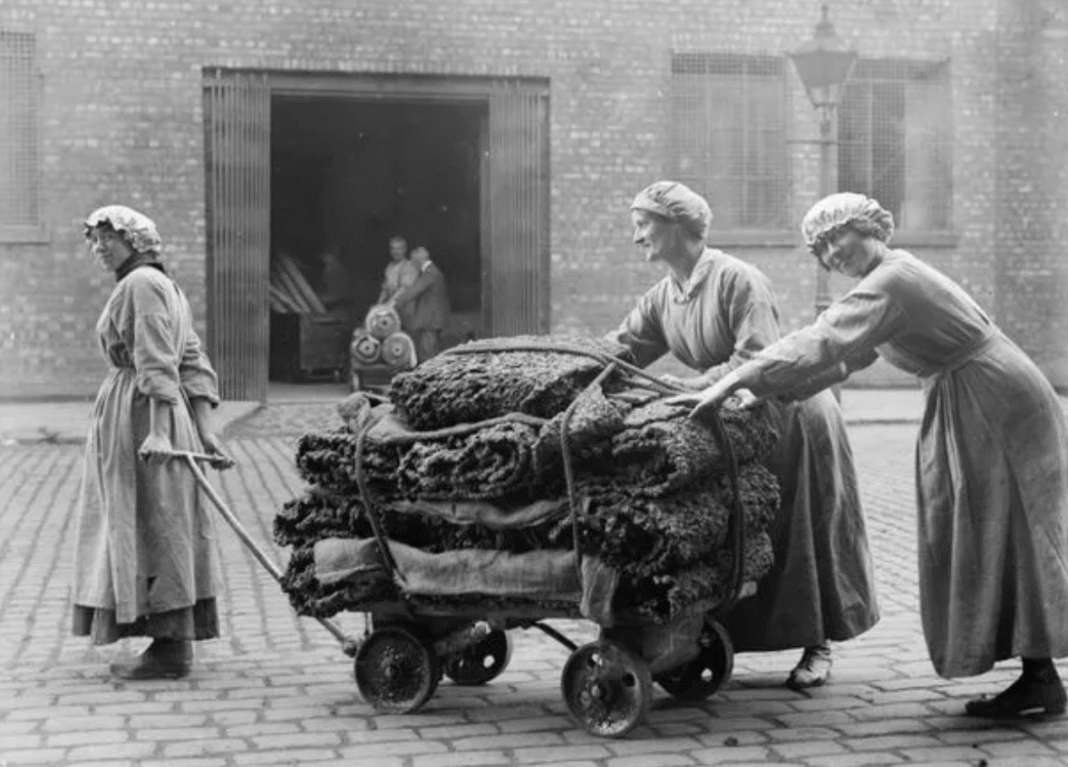

The year 1914 was a moment when the world stood still. The First World War, then called “The Great War,” engulfed Europe like a merciless fire, sparing neither borders nor lives. Military mobilisations, food shortages, evacuations, hospitals—all of this changed the daily life of millions. Even major industrial centres like Manchester felt the full force of this upheaval. More on manchesteryes.com.
Before the war, the city lived to the rhythm of machines and factories, serving as the heart of British industry, where innovations were born and working-class and other progressive movements were formed. However, with the onset of hostilities, Manchester transformed into a genuine home front—producing weapons, sewing uniforms, treating the wounded, and collecting donations. The streets, once crowded with male labourers and students, were now filled with women in uniform, military convoys, and volunteers.
The war burst into every home, into every family. It changed not only the city’s economy but the people themselves—especially women. For it was during this period that they stepped out of the shadows, took on responsibility, and proved that they could be more than just homemakers; they could be a driving force in society.
From this moment on, Manchester ceased to be merely a city of factories. It became a place where a new history was being made—the history of female strength that arose from the ashes of war.
Women at the Machines: The Birth of the “Munitionettes”
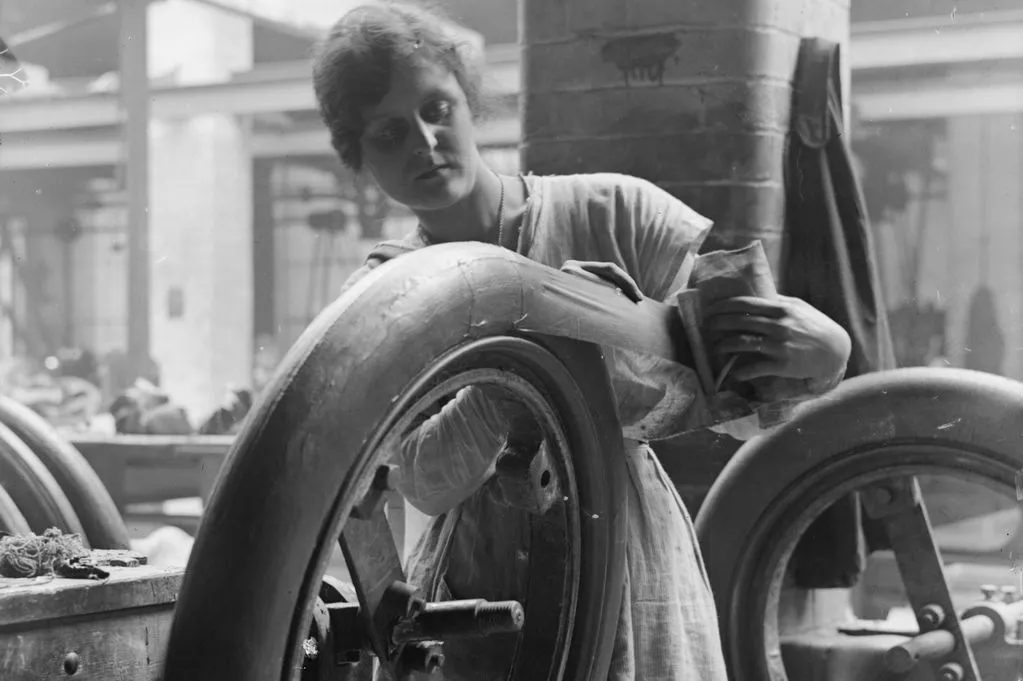
Throughout the First World War, Great Britain underwent a genuine social revolution. Over a million women donned overalls for the first time and took to the machines—replacing the men who had gone to the front. Manchester, the industrial heart of the nation, became one of the main centres of this female labour movement. It was here that a generation of women, known as the “munitionettes,” was born. They manufactured shells, filled them with explosives, welded metal parts, and worked giant presses and lathes. They did everything that was previously considered an exclusively “male job.”
The work was extremely dangerous. The air was constantly thick with explosive dust, their lungs filled with toxic fumes, and their skin was often burned by acids. Due to contact with trinitrotoluene (TNT), their skin often turned yellow, and they wryly called themselves the “Canary Girls.” Yet, despite the risks, the cold, and the fatigue, they worked 10–12 hours a day, aware that every shell produced could save a life at the front.
The women quickly mastered new skills—from metal turning to repairing complex machinery. They proved that they were not only capable of replacing men in the factories but could perform heavy technical work with the same precision and discipline. For many, this work was the first step towards genuine independence. The earnings, though less than a man’s, offered freedom: they could support their children, help their parents, and not rely on state handouts.
Beyond the physical labour, the “munitionettes” became a symbol of moral resilience. They inspired other women to join production, raised funds for hospitals, and organised joint initiatives to aid the front. Their names rarely appeared in the newspapers, but without their invisible, exhausting work, the war might have ended very differently.
After the war, many of them no longer wanted to return to their former lives. They had felt their own strength—and this was the first impetus for the social changes that later led the women of Great Britain to the ballot box and to a new role in the world that was emerging from the ashes of war.
Women Don White Coats
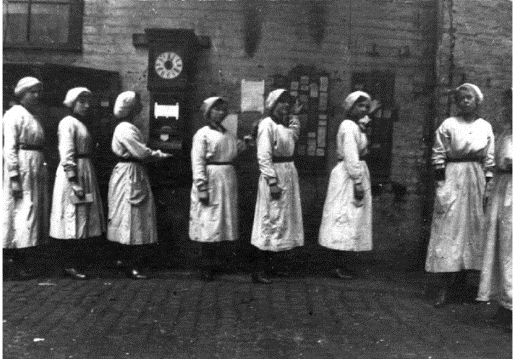
While some women worked at the machines, others fought the consequences of the war—in hospitals. Manchester became an important medical hub: trains carrying wounded soldiers arrived here, and local hospitals were quickly repurposed into military hospitals.
It was then that a new role emerged in the city—the woman-nurse, who didn’t just assist a doctor but saved lives during war-related trauma. Red Cross volunteers, medical college students, and ordinary housewives, after short training courses, became nurses (Sisters of Mercy).
In Manchester’s hospitals, there was constant activity: operations, bandaging, care, feeding, psychological support. Nurses spent sleepless nights next to soldiers who had lost limbs or sight. They saw the war not through newspaper headlines but from the inside—in its bloody, merciless reality.
Many of them later received awards for courage. But the main thing was that they shattered the notion of the “weaker sex.” In a society where women were not taken seriously in professions requiring strength or decisiveness, Manchester’s nurses became living proof to the contrary.
Why Was the Wartime Change in Gender Roles a Critical Stage for the Women of Manchester?
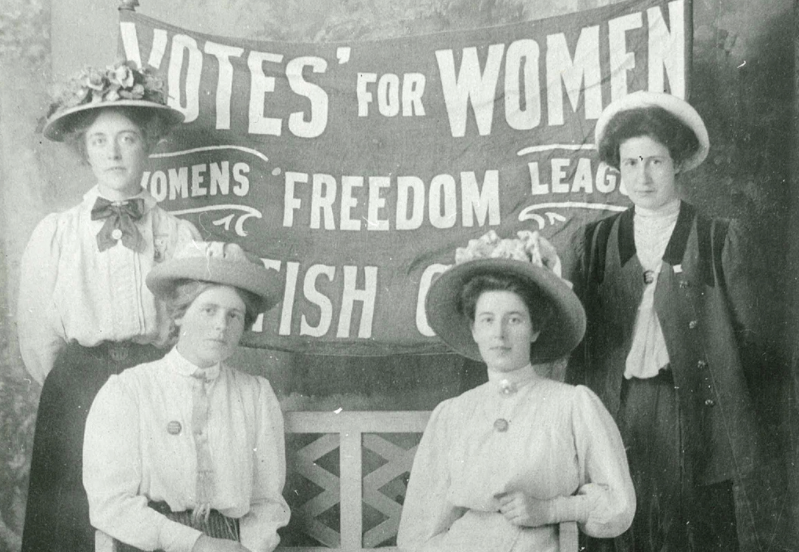
The shift in gender roles during the First World War became a turning point for the women of Manchester because it took place against the backdrop of an already active struggle for equal rights. Even before 1914, Manchester was a hotbed of the British suffragette movement—it was here that Emmeline Pankhurst and her daughters, founders of the “Women’s Social and Political Union,” operated. They organised rallies, strikes, and hunger strikes, demanding the right to vote for women, but their fight was perceived as radical and met with societal resistance.
Everything changed with the outbreak of war. When the men went to the front, women stepped into their shoes—in factory workshops, on transport, and in hospitals. They proved their ability to perform heavy manual labour, manage production, make decisions, and take responsibility. Most importantly, society saw their strength in practice for the first time, and not just in the suffragettes’ slogans.
This experience provided the proof that even the most conservative politicians could not ignore. In 1918, immediately after the war’s conclusion, the British Parliament passed the “Representation of the People Act,” which for the first time granted the franchise to women over the age of 30 who met certain property criteria. This was a historical breakthrough to which the women of Manchester made a colossal contribution—through their labour, endurance, and self-sacrifice.
Thus, the First World War became not only a tragedy but also a moment of social birth. For the women of Manchester, it was a time when the ideals of equality that the suffragettes had fought for finally transformed into reality.
The City That Changed Its Face: Post-War Reality
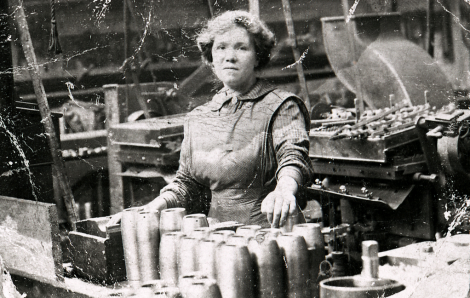
When the war ended in 1918, thousands of men returned home—to the very factories now filled by women. But the country was no longer the same. The war had broken the old social constraints. Manchester, which had become a field of female labour, could not return to the past.
Many factory workers did not want to leave their posts. They had proven that they could work on an equal footing. This fostered the further development of the women’s rights movement, which had a special basis in Manchester. And while the path to full equality was long, the experience of the First World War was the decisive evidence that women were capable not only of raising children but also of building, healing, and leading.
In the 2020s, looking at old photographs at home or in museums, where young women stand at machines or bandage the wounded, it is difficult to imagine how much courage, pain, and determination lie behind those smiles. Manchester during the First World War tells not only the story of an industrial city but the story of thousands of women who felt their own strength for the first time.
They were not soldiers; the front line did not pass through Manchester, but without them, the war would have been lost. Their weapons were hard work, care, and the belief that even in the most difficult times, life can be created. And it is thanks to these women that Great Britain emerged from the war not only victorious but also different—more just, more equal, more humane.