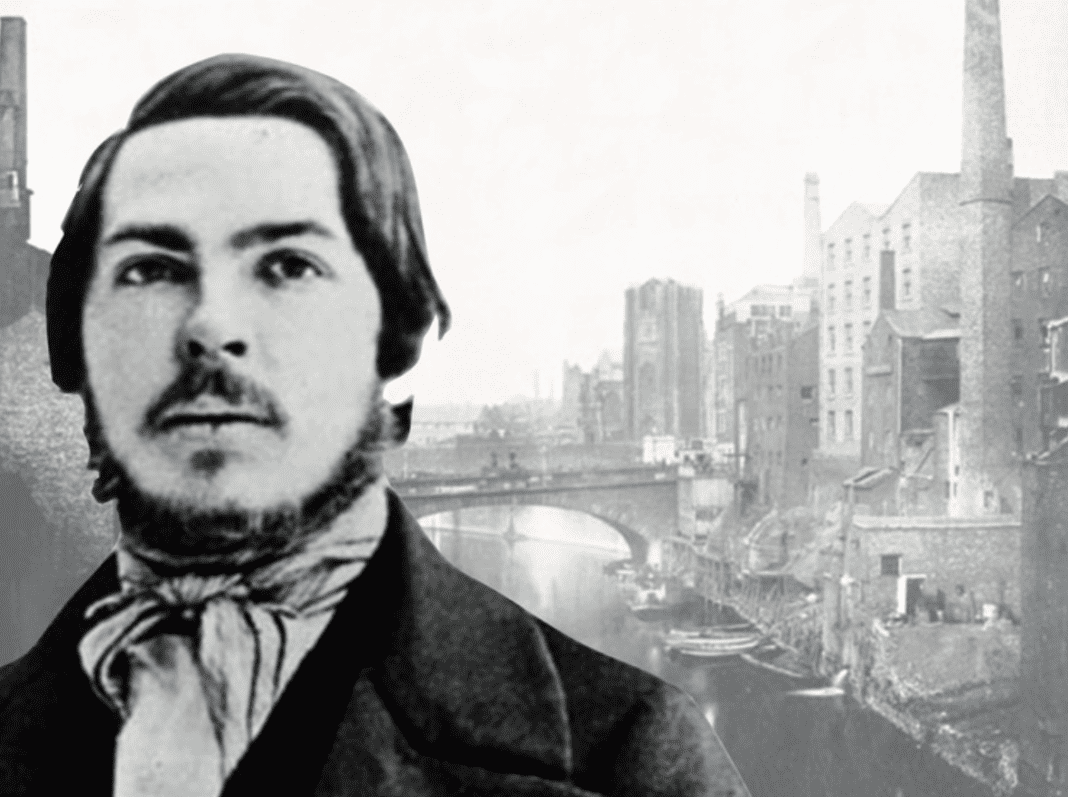

Manchester has long been a city of significant influence on the political and social spheres of Britain. During the Industrial Revolution, it became a hub for radical ideas, including the fight for women’s rights, the cooperative movement, communism, Chartism, and the repeal of the Corn Laws. Among the key figures who shaped the revolutionary spirit of Manchester and the nation was Friedrich Engels. His seminal work, The Condition of the Working Class in England, was based on his observations of life and labour in Manchester, the industrial heart of 19th-century Britain. Next on manchesteryes.com.
Who Was Friedrich Engels and How Did He Come to Manchester?
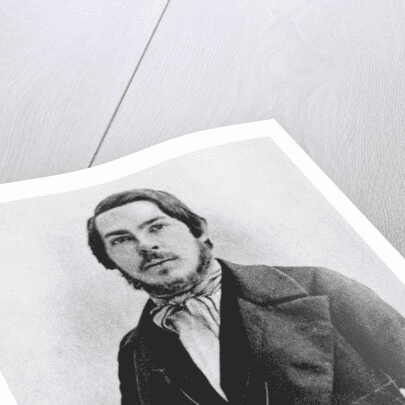
Friedrich Engels is renowned worldwide as a revolutionary thinker whose ideas challenged the status quo and inspired movements for social equality and workers’ rights. Born in 1820 in Barmen, a town in what is now Wuppertal, Germany, Engels was the eldest son of Friedrich Engels Sr. and Elisabeth Franziska Mauritia van Haar. His family was wealthy, owning cotton mills in Barmen and Salford, England—both prominent industrial centres of the time.
Engels was raised in a strict Calvinist household and baptised in a Reformed Protestant congregation in Elberfeld. However, he eventually embraced atheism, which strained his relationship with his devout family. In October 1842, his father, frustrated with Engels’ rebellious nature, sent him to manage the family’s factory in Salford, hoping that work and supervision would suppress his revolutionary inclinations. Instead, living and working in Manchester deepened Engels’ commitment to revolutionary thought.
How Did Manchester Shape Engels’ Ideology?
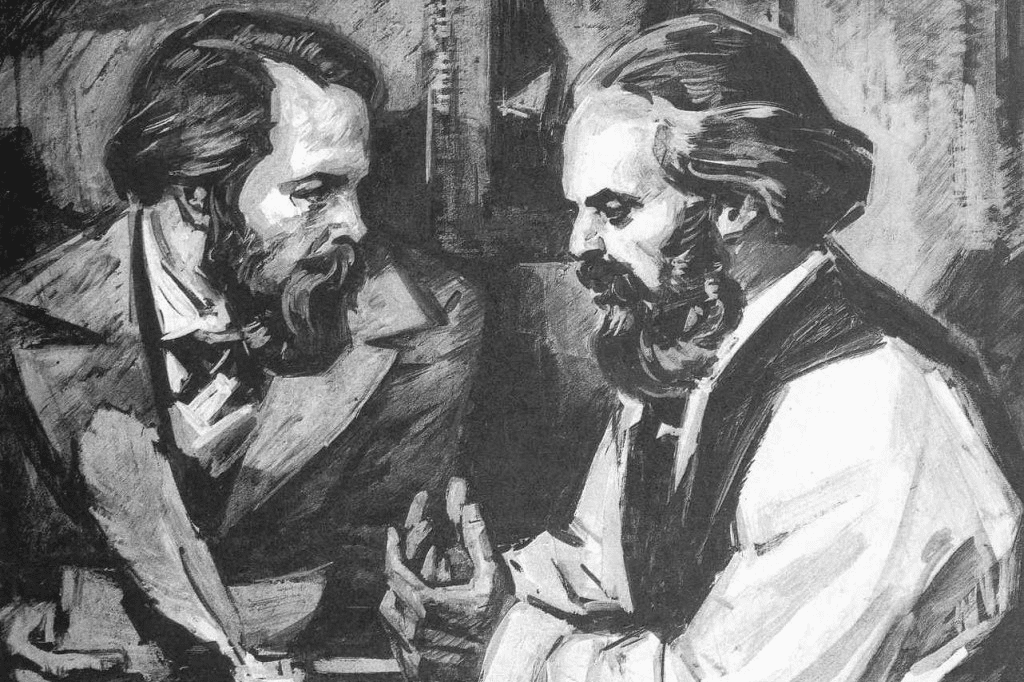
Manchester in the 19th century was the perfect backdrop for Engels to develop his political philosophy. The city’s unique social structure highlighted the stark contrasts between the flourishing bourgeoisie and the struggling proletariat. Prosperous factory owners and impoverished workers lived side by side, yet their worlds were entirely different.
Engels worked at his father’s factory by day and spent his evenings exploring the working-class districts of Manchester. He meticulously documented the appalling living conditions, unsanitary environments, and exploitation faced by factory workers. These observations fueled his revolutionary beliefs and led to some of his most influential ideas.
One of Engels’ key concepts was the class struggle. He saw capitalism as a system inherently pitting the working class against the bourgeoisie. Factory workers, he argued, were exploited tools of profit generation, enriching their employers while remaining in poverty. Engels viewed this dynamic as the root cause of social tension and inevitable conflict.
Engels also explored the concept of alienation, observing how factory workers had little control over their work, which was repetitive and dehumanising. This alienation from their labour, he argued, caused social and psychological suffering, reinforcing the inequalities that kept workers oppressed. These ideas became central themes in Marxist theory, notably in the Communist Manifesto and Das Kapital, which Engels co-authored with Karl Marx.
Engels’ Influence on Social Movements in 19th-Century Manchester
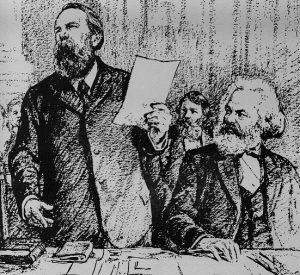
Engels’ observations in Manchester became a driving force for expanding workers’ rights and social reform. His writings inspired local trade union leaders, socialists, and reformers, providing hope and motivation for change. His work not only galvanized the residents of Manchester but also helped shape a politically active working class in the city.
Engels’ ideas also resonated with the Chartists, who were fighting for universal male suffrage, fair wages, and better working conditions. Although he did not formally join the Chartist movement, Engels supported its aims and believed political mobilisation was essential to challenge the injustices perpetuated by capitalism.
His revolutionary philosophy contributed significantly to transforming the political and social fabric of Manchester and Britain as a whole. Without Engels’ influence on the city’s mid-19th-century revolutionary movements, Manchester might not have evolved into the equal, multicultural, and innovative city it is today.
Source:
- https://jacobin.com/2020/11/friedrich-engels-working-class-manchester-england
- https://pmc.ncbi.nlm.nih.gov/articles/PMC1447947/
- https://jacobin.com/2020/11/friedrich-engels-karl-marx-relationship
- https://philpapers.org/rec/ENGTCO-3
- https://www.youraudiotour.com/tours/engels-manchester-a-revolutionary-walking-tour/