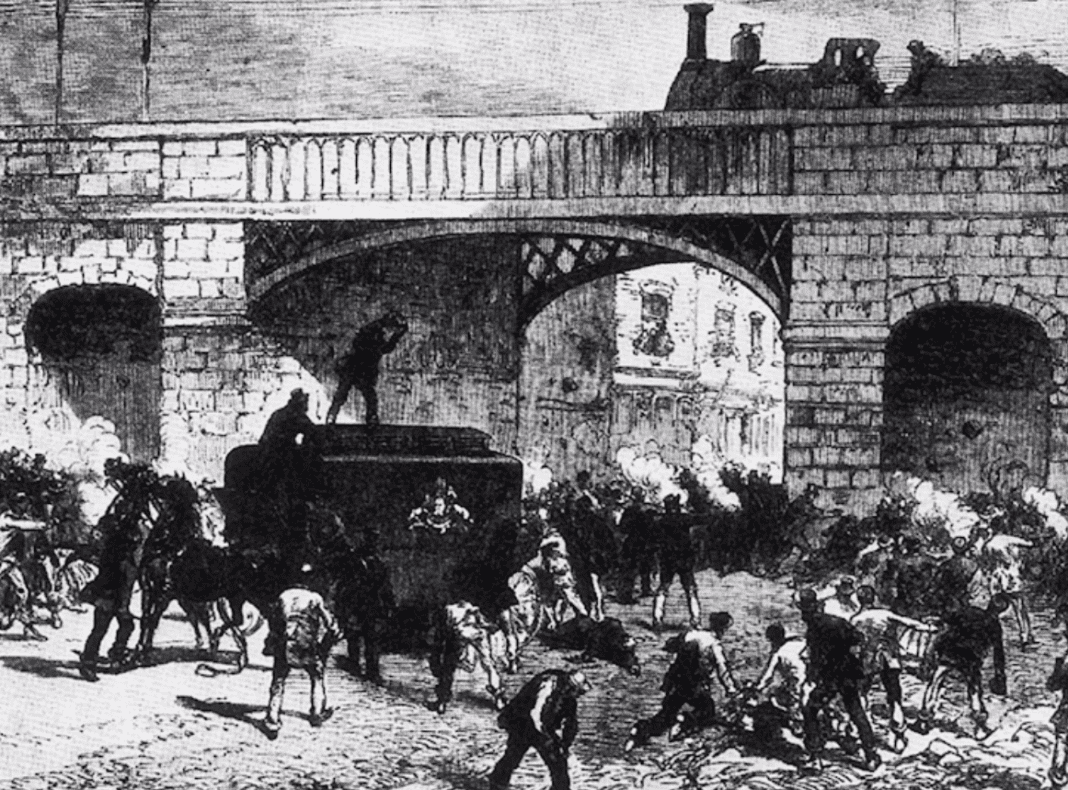

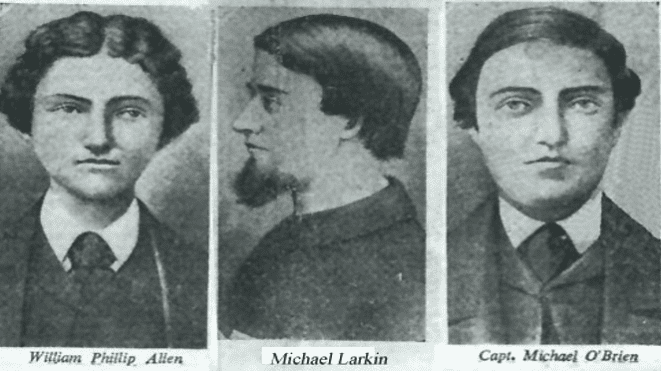
Manchester’s history is rich and diverse, known not only as an industrial hub of Britain but also as a focal point of political events. Over the years, the city has witnessed numerous political demonstrations, rallies, and movements. Among these, the story of the Manchester Martyrs—three Irish nationalists executed in 1867—stands out. These men, William Philip Allen, Michael Larkin, and Michael O’Brien, were hanged for their association with the Fenian movement, which sought Ireland’s independence from British rule. Next on manchesteryes.com.
Who Were the Fenians?
The Fenians, formally known as the Irish Republican Brotherhood, emerged in the aftermath of the Great Irish Famine (1845–1849). The famine had devastated Ireland, compounded by issues such as land rights, religious discrimination, and a lack of political representation under British rule.
In the 1850s, the Fenian Brotherhood was founded with the goal of establishing an independent Irish Republic, free from British control. The movement often resorted to extreme measures, including armed resistance, smuggling weapons, and organising uprisings across the country.
Key Events of the Fenian Movement
Tensions between the British and Irish populations grew over the years, with the Fenians orchestrating uprisings throughout England. One of the most infamous incidents was the Clerkenwell explosion in 1867. In an attempt to free imprisoned Fenian members in London, the group tried to blow up a prison wall using dynamite. The explosion caused extensive damage to surrounding buildings, killing 12 people and injuring over 100. Despite their efforts, the Fenian prisoners were not freed.
Undeterred, the Fenians shifted their focus to Manchester later that year. Two prominent Fenian leaders, Thomas J. Kelly and Timothy Deasy, were being transported to Manchester’s prison, and the Brotherhood planned a daring rescue.
The Manchester Rescue Attempt
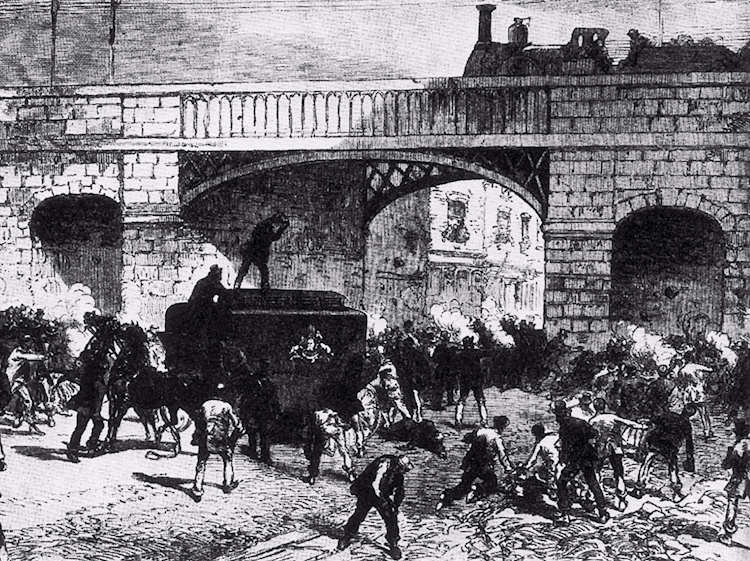
The events surrounding the rescue attempt unfolded on September 18, 1867. Kelly and Deasy were being transported from a courthouse to Manchester’s prison. Shackled in separate compartments of a police van, they were guarded by 12 mounted officers. The van also carried six other prisoners.
As the van passed under a railway arch, a Fenian member stepped into the road, aimed a pistol at the driver, and ordered him to stop. A group of approximately 40 Fenians surrounded the van, seized the horses, and even shot one. Despite their efforts, the Fenians struggled to break open the van, resorting to axes, sledgehammers, and crowbars.
Running out of time, the Fenians demanded that the police sergeant inside the van open the doors. When he refused, they fired a shot through the lock. Tragically, the bullet struck the sergeant, killing him instantly. A female prisoner inside the van retrieved the keys from the deceased sergeant and handed them to the Fenians, who freed Kelly and Deasy. The two leaders escaped, and this event became known as the “Manchester Outrages.”
Following the escape, police launched an extensive manhunt. It is believed that Kelly and Deasy found refuge in Manchester’s Irish quarters before fleeing to Liverpool and boarding a ship to New York. However, the search for those involved in the rescue attempt continued.
In what became known as the “reign of terror” among Manchester’s Irish community, police conducted widespread raids, detaining dozens of suspects almost at random. Among those arrested were:
- William Philip Allen, a 19-year-old carpenter.
- Michael Larkin, a tailor and father of several children.
- Michael O’Brien, a veteran of the American Civil War and a shopkeeper from County Cork.
The three men were convicted and sentenced to death based on questionable evidence. They maintained their innocence, denying involvement in the murder of the police sergeant and asserting that the British government’s accusations were unfounded.
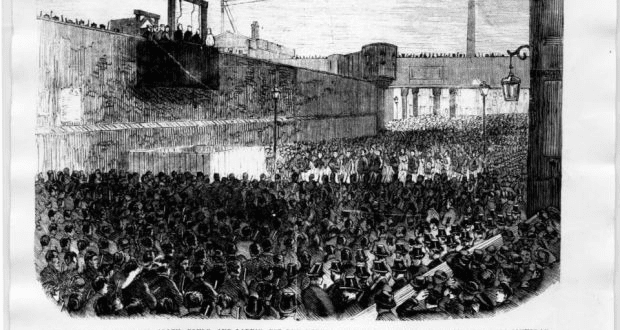
The Fenian Brotherhood’s armed campaigns were largely unsuccessful, but the movement significantly influenced Irish nationalism. The execution of the Manchester Martyrs on November 23, 1867, garnered international attention and intensified nationalist sentiments.
The event became a rallying point for the Irish independence movement, symbolising resistance to British rule. The legacy of the Manchester Martyrs further solidified the resolve of Irish nationalists, sustaining the struggle for independence in the years to come.