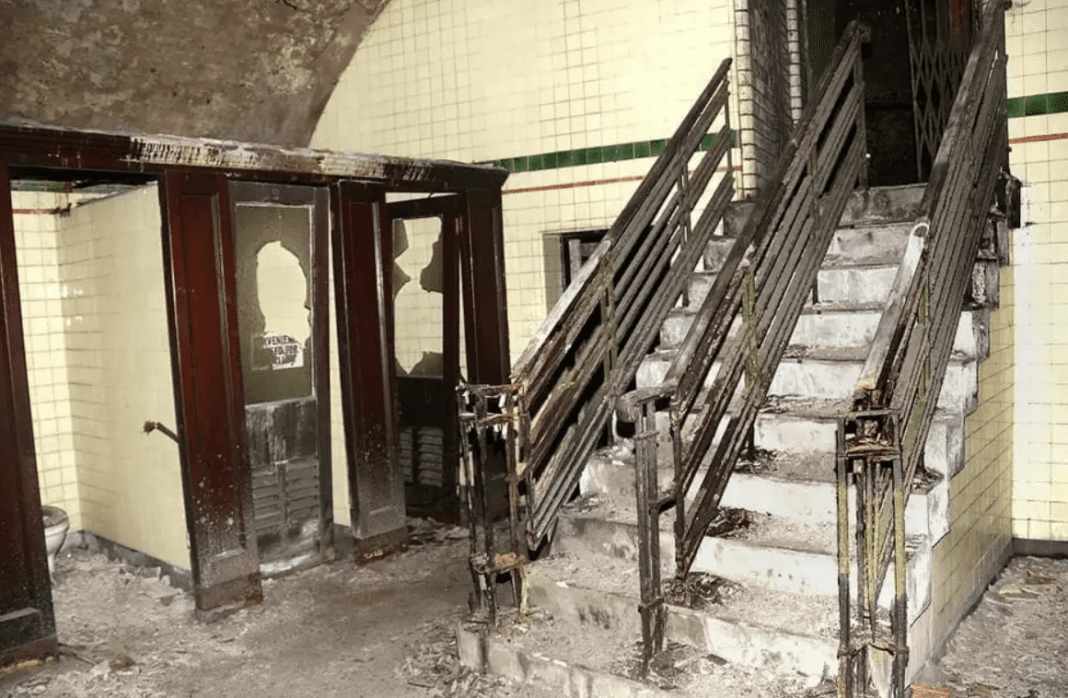

Few people know that Manchester kept a huge secret for many years. The city hides an incredibly large network of underground tunnels under its busy streets. They used to serve as nuclear bunkers. Built under the conditions of the strictest secrecy, these tunnels became an important part of the defence strategy of the city and the entire country during the intense confrontation between the USSR and the USA. As tensions escalated, the city’s need for nuclear-safe bomb shelters became paramount. What is known about the Manchester nuclear bomb shelter? Learn more at manchesteryes.com.
How did a whole network of tunnels appear under Manchester?
The nuclear bomb shelter in Manchester has an incredible history directly related to the Cold War.
When the Second World War was over, a new conflict arose between such superpowers as the USA and the USSR. Over the years, the situation was worsening and nuclear tensions were growing too. Based on this dynamic, the British government began to prepare for the worst-case scenario, the launch of a nuclear bomb.
In order to secure the city and its inhabitants, the government made a decision to construct an innovative telephone exchange in the centre of Manchester, which was hidden deep underground.
The construction of the nuclear bomb bunker took place in 1954-1957. It began with the clearing of the land between York Street and Piccadilly Bus Station. The Piccadilly Plaza complex was planned to be built above. Its project and construction hid another secret project of a whole network of bomb shelter tunnels. The construction site was surrounded by a high wooden fence, so the government hoped that no one would suspect anything.
Why did they need a whole network of underground tunnels in Manchester?
It should be noted that Manchester wasn’t the only city, in which the British government carried out a secret project during the Cold War. At the same time, similar tunnels appeared in Birmingham and London. But why were such grand bomb shelters needed?
In particular, the bomb shelter in Manchester was of paramount importance providing secure communication in the event of a nuclear war. It ensured uninterrupted communication between the British government in London and the US government in Washington via safe and durable transatlantic telephone cable, coming ashore near Oban and passing through Glasgow, Manchester and Birmingham.
Features of the Manchester’s bunker
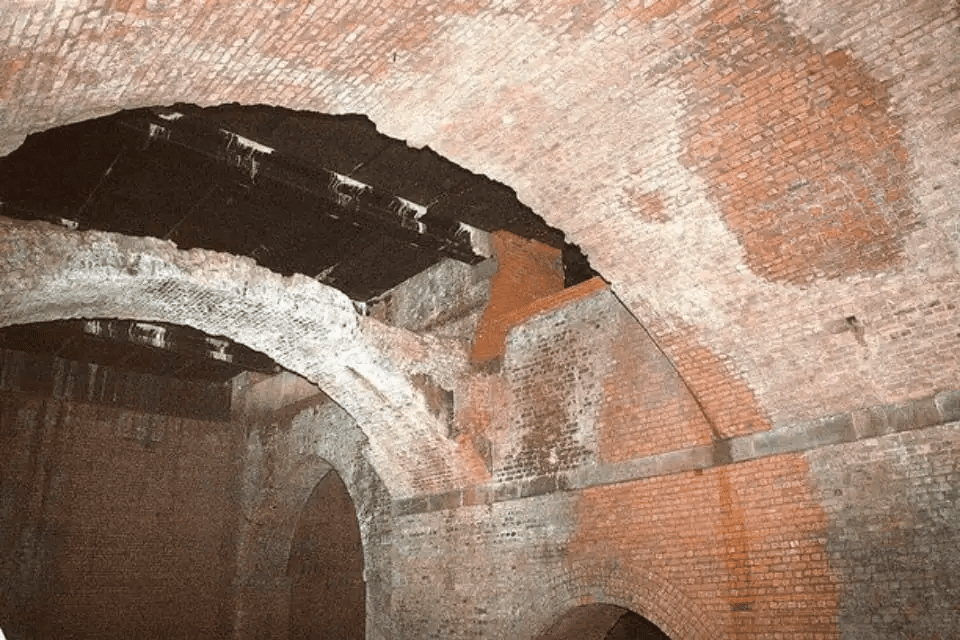
The tunnels of the Manchester bunker were 35 metres (115 ft) deep underground and about 2 metres (80 in) in diameter. The construction of a secret project under the guise of the Piccadilly Plaza complex cost £4 million. In today’s money, that’s about £126 million. Part of this sum was granted by NATO partners.
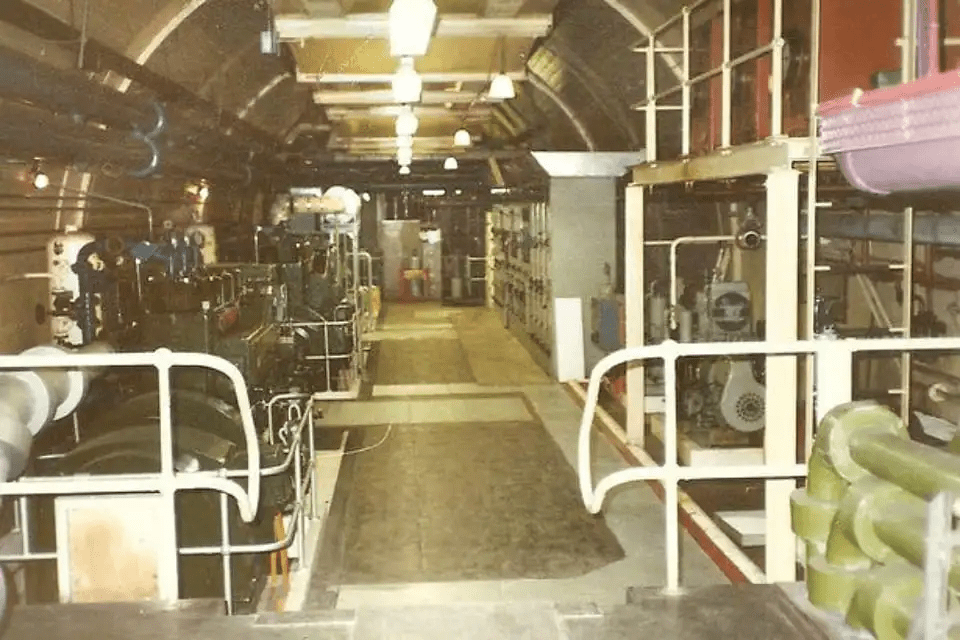
Thus, the Guardian Underground Telephone Exchange was built in Manchester. There were two levels of tunnels, running south-west under the old Central Telephone Exchange, to York Street and along the George Street line.
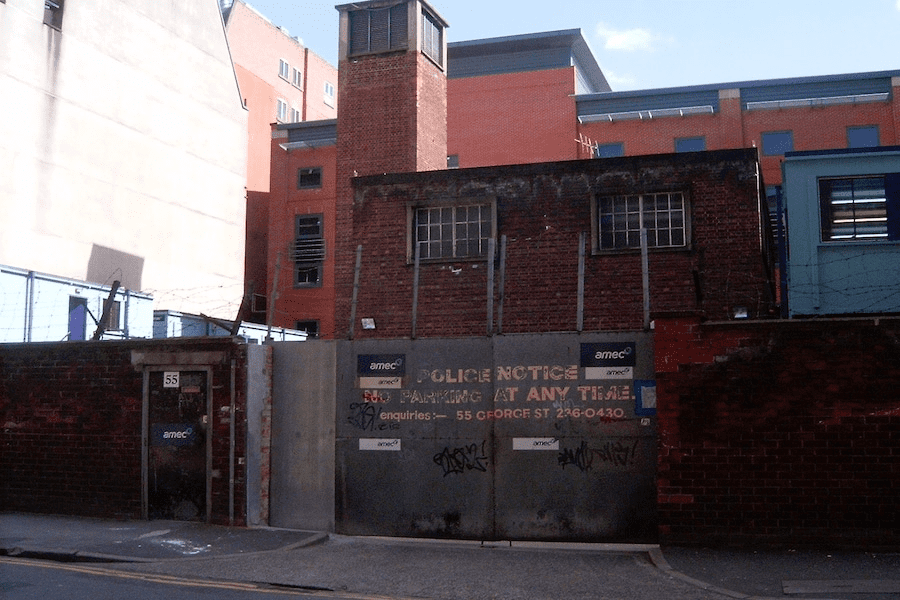
The tunnels opened up on George Street via a huge freight elevator. It was used to install all the equipment underground. In the event of a nuclear bomb launch, the network of tunnels could be closed with airtight doors. The network had shafts for technical maintenance and ventilation.
In addition to the telephone exchange, the network of tunnels also housed large diesel generators, air purifiers, sleeping quarters, a kitchen, food storage and a dining area. In addition, there was even a well-equipped bar with tables, chairs, a piano and a pool table (like every ordinary one). Engineers even created false stained-glass windows showing outdoor landscapes.
Declassification and abandonment of the project
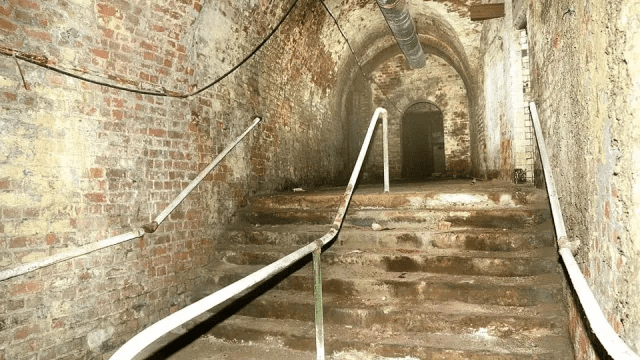
The project of underground tunnels was a huge secret. It was considered Manchester’s best-kept secret for ten years, even though it wasn’t used for its intended purpose. The tunnels were declassified only in 1968.
As time has shown, the bomb shelter turned out to be unnecessary. Years after declassification, all equipment was removed from the tunnels. In the 21st century, the network of underground passages remains empty. The main entrance of the telephone exchange was filled up. But the elevator shaft with the huge blast doors on George Street survived.
Once the most grandiose and secret project not only in the city but also in the whole of Great Britain, it has a completely different status in the 21st century. Today, the tunnel network isn’t used for its primary purpose and serves exclusively as a city cable route between the Ardwick and Dial House telephone exchanges.