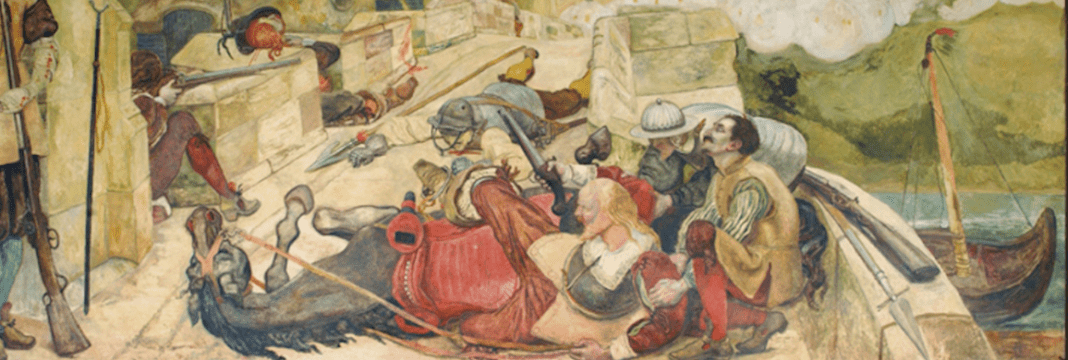

The Siege of Manchester, which occurred in 1642, was a desperate attempt by Royalists to seize the town during the early stages of the First English Civil War. Royalist forces, led by James Stanley, the 7th Earl of Derby, laid siege to Manchester, while Parliamentary forces made every effort to withstand the assault. Do you know the historical chronology of the events surrounding the battles for Manchester? Let’s dive into the details on manchesteryes.com.
What Was Manchester Like Before the First English Civil War, and What Role Did It Play?
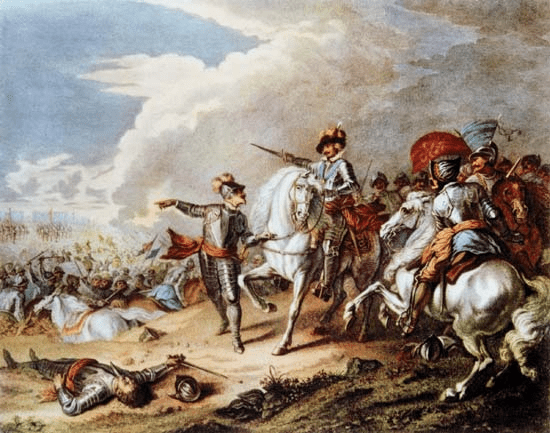
Manchester, a British city with a rich history, was a small town in the mid-17th century with a population of just over 5,000. At the time, trade was beginning to flourish, and by 1642, the town had become an important site in the conflict.
In 1642, Manchester became the first town to experience the violence and brutality of Royalist forces. Why did this happen? Let’s delve into the town’s development to understand.
Throughout the 16th and 17th centuries, Manchester had welcomed an influx of Flemish merchants who contributed to the development of its textile industry. This rapid economic growth, driven by thriving trade, gave Manchester a strong Puritan character. Many workers demanded Parliamentary representation for the town, but this was not granted. Tensions between King Charles I and his Parliament escalated throughout the 1640s, and people in Manchester, like those across the country, began choosing sides.
The Royalists, or Cavaliers, supported monarchical governance. During the Civil War, they remained loyal to King Charles I and opposed Parliamentary forces.
The Parliamentarians, on the other hand, were staunch supporters of the country’s Parliament and fought against the King and his allies who sought an absolute monarchy. Their primary goal was to give Parliament greater control over the nation’s executive powers.
Preparations for War in Manchester
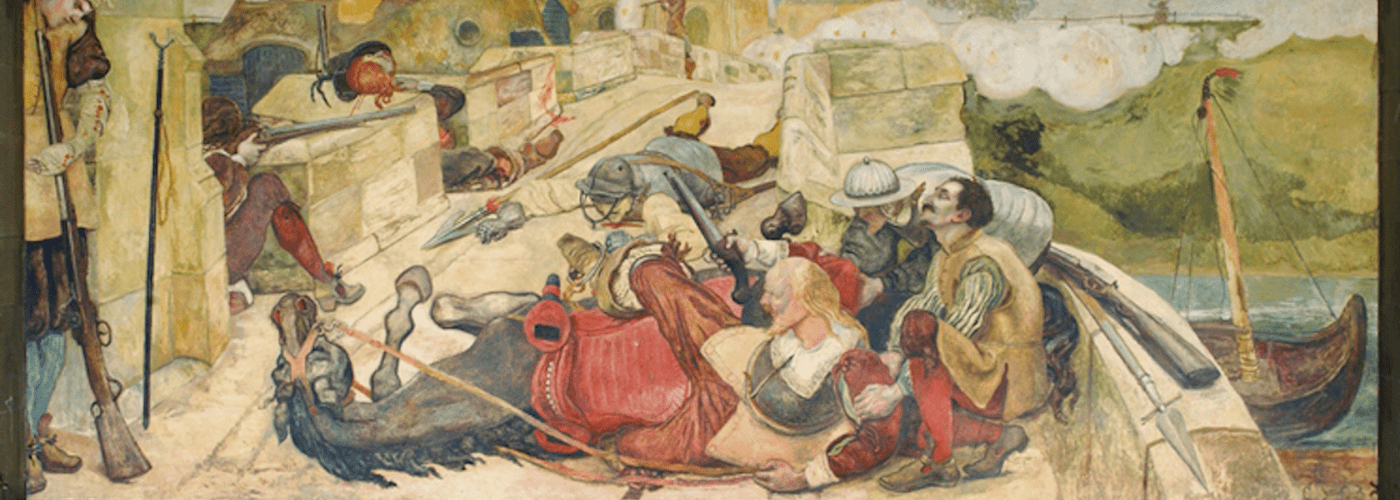
In the summer of 1642, preparations for power struggles began in Manchester and across the United Kingdom. Both Parliamentarians and Royalists sought weapons and gunpowder throughout the country.
The industrial and trading town of Manchester predominantly supported Parliament. In contrast, Lancashire was dominated by Royalists, led by James Stanley, Lord Strange and son of the Earl of Derby.
The Attempt to Capture Manchester
Stanley actively supplied the Royalist strongholds in Preston and Lancaster with weapons but focused his efforts on capturing the industrial town of Manchester.
The people of Manchester resisted Stanley, expressing their support for Parliament and refusing to supply him with ammunition. Stanley decided to press forward with his existing forces, leading a small group of Cavaliers in an attempt to seize the town. This sparked violent clashes between Royalists and the pro-Parliament residents of Manchester. The first casualty of the conflict was a local weaver, Richard Percival.
It was a brutal struggle, with Stanley determined to acquire gunpowder and weapons. In response, Manchester’s Parliamentarians issued a warrant for his arrest, accusing him of treason. However, he evaded capture.
While in hiding, Stanley prepared for a more thorough attack on Manchester. He assembled a larger force, convinced that capturing the town would be straightforward due to its lack of fortifications.
Crossing Salford, Stanley’s Royalist forces advanced towards the centre of Manchester, where they were met with open gunfire. For nearly a month, the confrontation between Manchester’s Parliamentarians and the Royalists raged. However, the siege abruptly ended when Stanley learned of his father’s death. He abandoned his efforts to seize Manchester to claim his inheritance and the title of Earl of Derby.
Consequences for James Stanley and the Outcomes of the Civil War
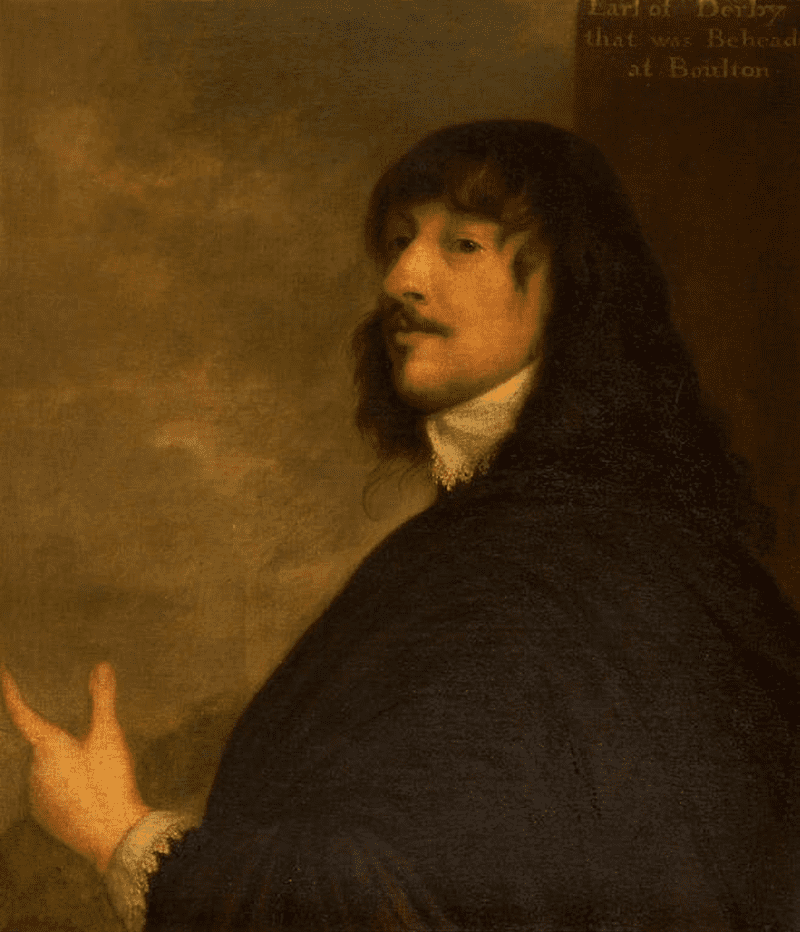
The Royalist opposition left a lasting impact. After King Charles I was sentenced to execution, Stanley was arrested and subsequently executed for his unwavering loyalty to the King.
Despite these events, Manchester emerged as one of the few thriving towns during this turbulent period, driven by its textile industry and workers.
In 1654, Manchester elected its first Parliamentary representative, Charles Worsley, but this representation was short-lived. By 1660, Charles II, son of Charles I, orchestrated a rebellion, stripping Manchester of its Parliamentary representation once again. It would take centuries for Manchester to regain its place in Parliament.
Manchester was not only a centre of industry, trade, and rapid economic growth but also a hub of political transformation that shaped the structure of the town and the nation during the turbulent years of the 17th century.