

Andy Burnham is a young British politician who has served as the Mayor of Manchester since 2017. He has become a significant figure in contemporary British politics, gaining recognition for his progressive approach and timely resolution of numerous challenges faced by Manchester. But what is the story behind Burnham’s rise to the mayoralty and his achievements in city governance? Let’s delve deeper. Next on manchesteryes.com.
Early Years and Entry into Politics

Burnham hails from Aintree, Lancashire, where he was born in 1970. He spent his childhood and youth in a happy, modest family. His father worked as a telephone engineer, and his mother was a secretary. They instilled in him strong moral values, essential skills, and a quality education.
Burnham attended St. Lewis Catholic Primary School and St. Aelred’s Roman Catholic High School in Newton-le-Willows. He later studied English at Fitzwilliam College, Cambridge. So how did politics come into Burnham’s life?
Burnham’s political journey began early. At the age of 15, he joined the Labour Party. Between 1994 and 1997, he worked as a researcher for Tessa Jowell. In 1997, he became the Secretary of the Confederation for the National Health Service (NHS). By 1998, he was a special advisor to the Secretary of State for Culture, Media, and Sport, holding this position until 2001 when he was elected to Parliament. Thus began Burnham’s climb up the political ladder.
Political Career and Mayoral Tenure in Manchester

Burnham’s political career, as a member of the Labour Party, has been marked by influential roles, including positions in various government ministries. As Health Secretary, he demonstrated his commitment to welfare reform and healthcare improvements.
As he rose through the ranks, Burnham garnered widespread support, particularly among Manchester residents. In 2016, he ran for Mayor of Manchester and won with 63% of the vote.
Upon taking office, Burnham aimed to shift Manchester’s focus away from policies primarily centred on London. He sought to tailor Manchester’s governance to the needs of its residents.
Burnham’s Progressive Policies for Manchester
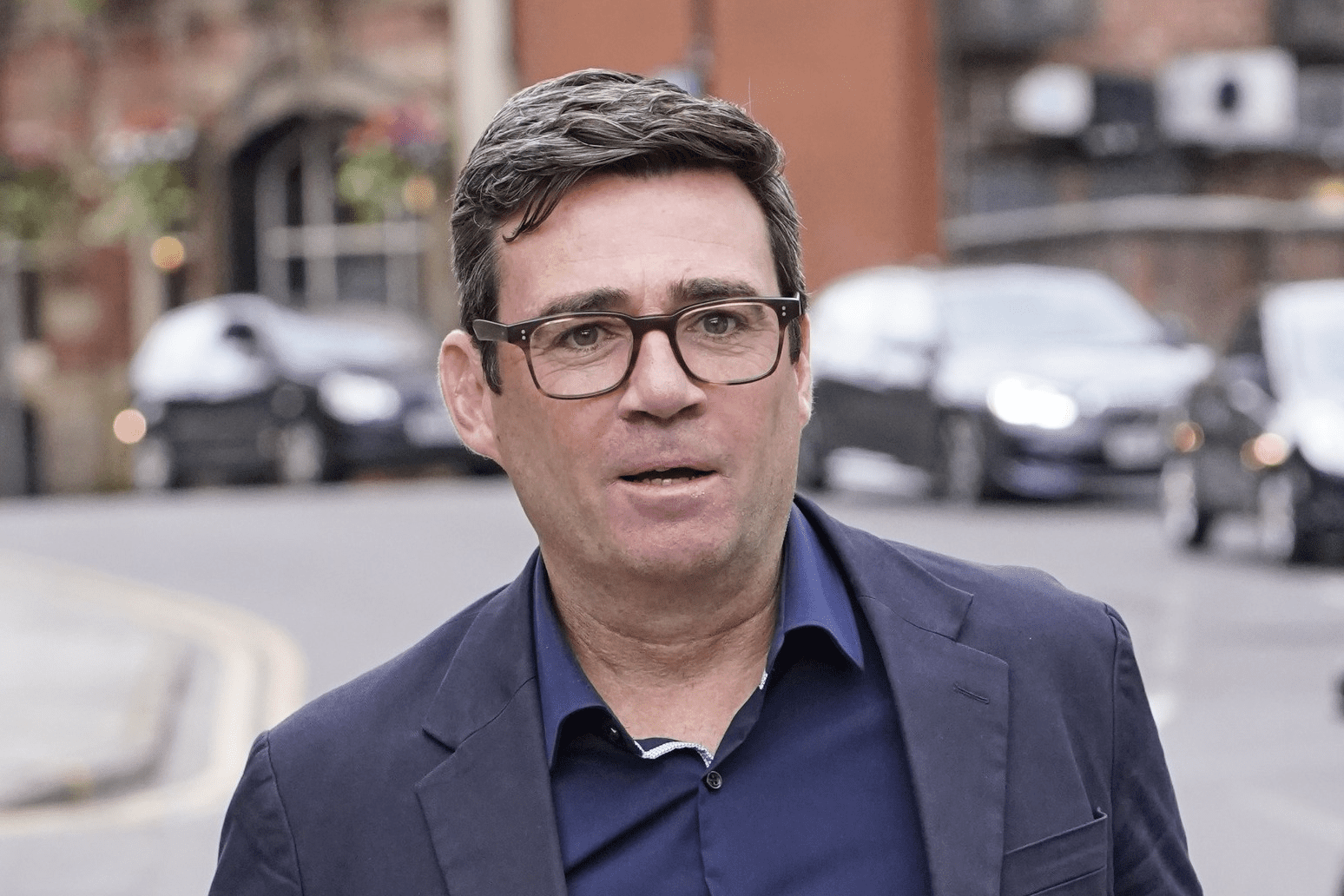
Since assuming office, Burnham has championed progressive policies promoting social equality, economic growth, and environmental sustainability. His leadership style reflects a collaborative approach, involving local residents in decision-making processes.
One of Burnham’s hallmark policies has been his commitment to social justice and inclusivity. He introduced initiatives to tackle homelessness, providing housing and support for those in need. Burnham pledged to donate 15% of his mayoral salary to charities addressing homelessness, a promise made during his election campaign.
Given his background in healthcare, Burnham’s administration prioritised modernising Manchester’s health services. He focused on improving mental health support, addressing health inequalities, and promoting a healthy lifestyle. Burnham consistently emphasised that public health is essential for societal progress.
His administration also devoted significant attention to sustainable development, implementing renewable energy initiatives, promoting sustainable transportation, and enhancing environmental protection.
Burnham’s economic policies were particularly progressive, prioritising innovation in the local economy. His administration fostered partnerships with businesses, supported local entrepreneurs, and invested in education and skills development.
Despite his accomplishments, Burnham has faced criticism. Some Manchester residents questioned his policies, with critics arguing that more decisive action is needed to address pressing issues. However, Burnham’s willingness to engage in dialogue and adapt his strategies based on feedback demonstrates his pragmatic approach to governance.
Burnham’s progressive agenda, coupled with his tangible results and the city’s rapid development under his leadership, secured him re-election in 2021 with 67% of the vote, despite a turnout of 34.7%. His second term reaffirms his place as one of Manchester’s most impactful leaders.