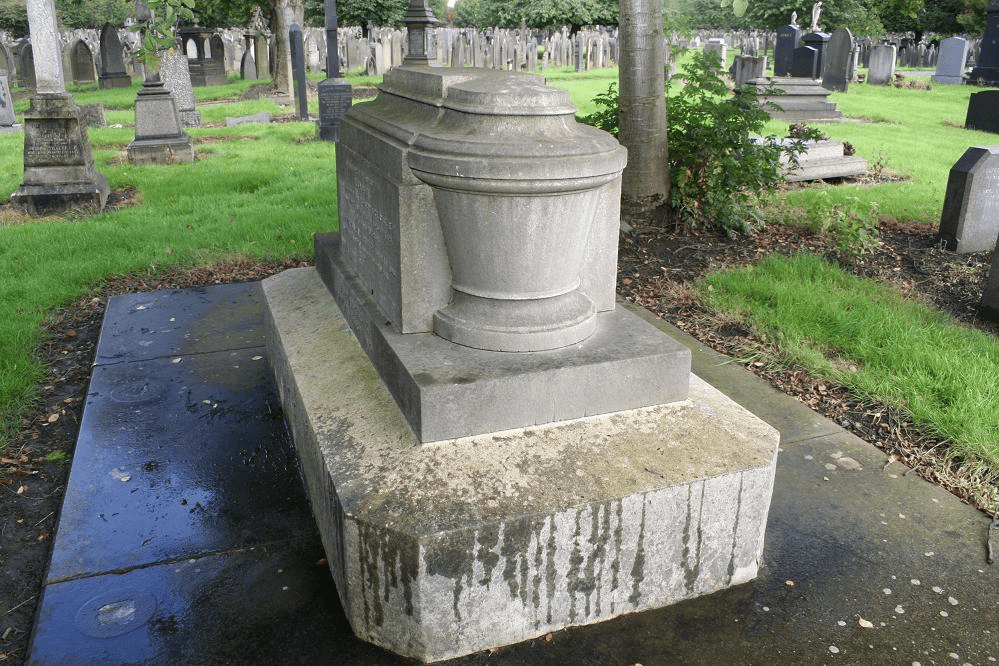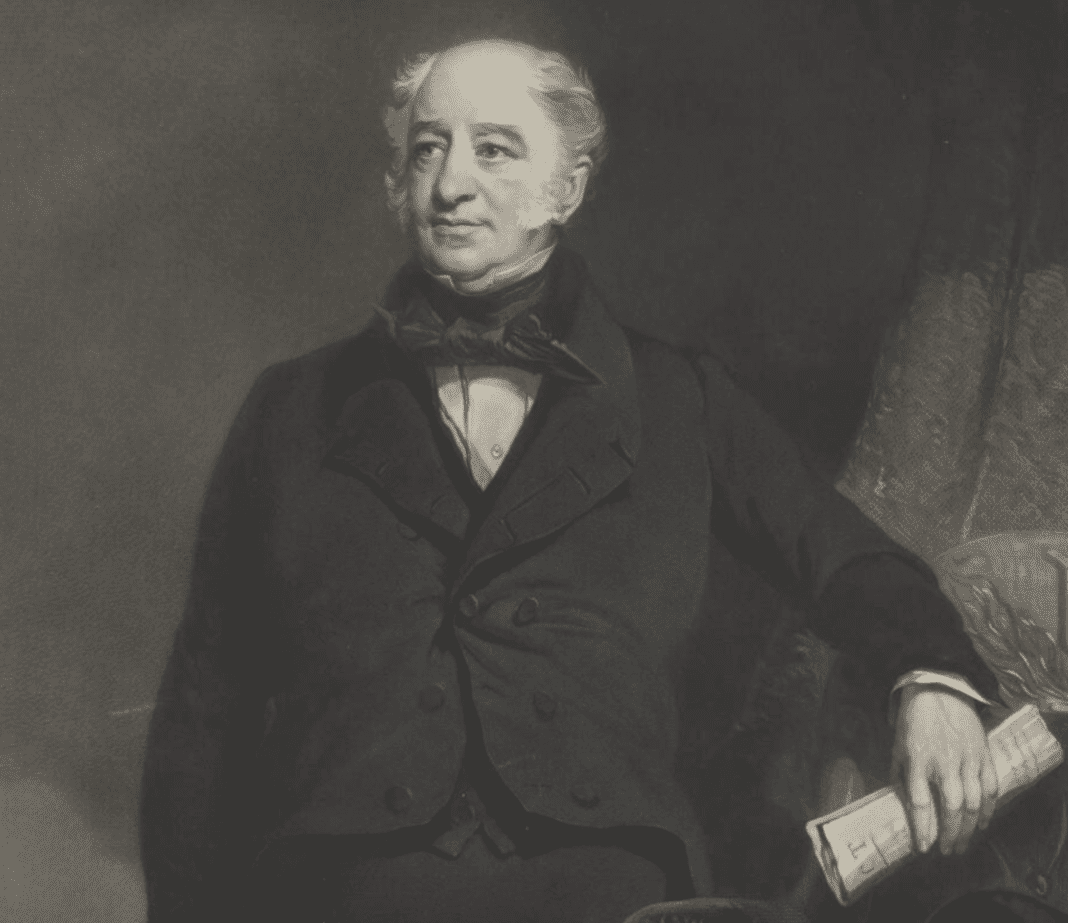

Elkana Armitage was one of Manchester’s most prominent figures in the 19th century. His legacy is not only tied to his success as an industrialist but also to his accomplishments as a political leader dedicated to the well-being of the city’s residents. Armitage’s journey from business to politics left a lasting impact on the city’s structure and culture. Next on manchesteryes.com.
Early Life and Background
Born in 1794 in Failsworth, near Manchester, Armitage grew up in a large family that deeply valued hard work. His father was a farmer and linen weaver, instilling in him a strong work ethic from an early age.
At just eight years old, Armitage decided to leave school and begin working. His early determination to achieve success through perseverance was evident. Alongside two of his brothers, he found employment at George Nadin & Nephews, a local cotton company. Thanks to his diligence and natural business acumen, Armitage was soon promoted to manager—a significant milestone for someone so young.
Industrial Career
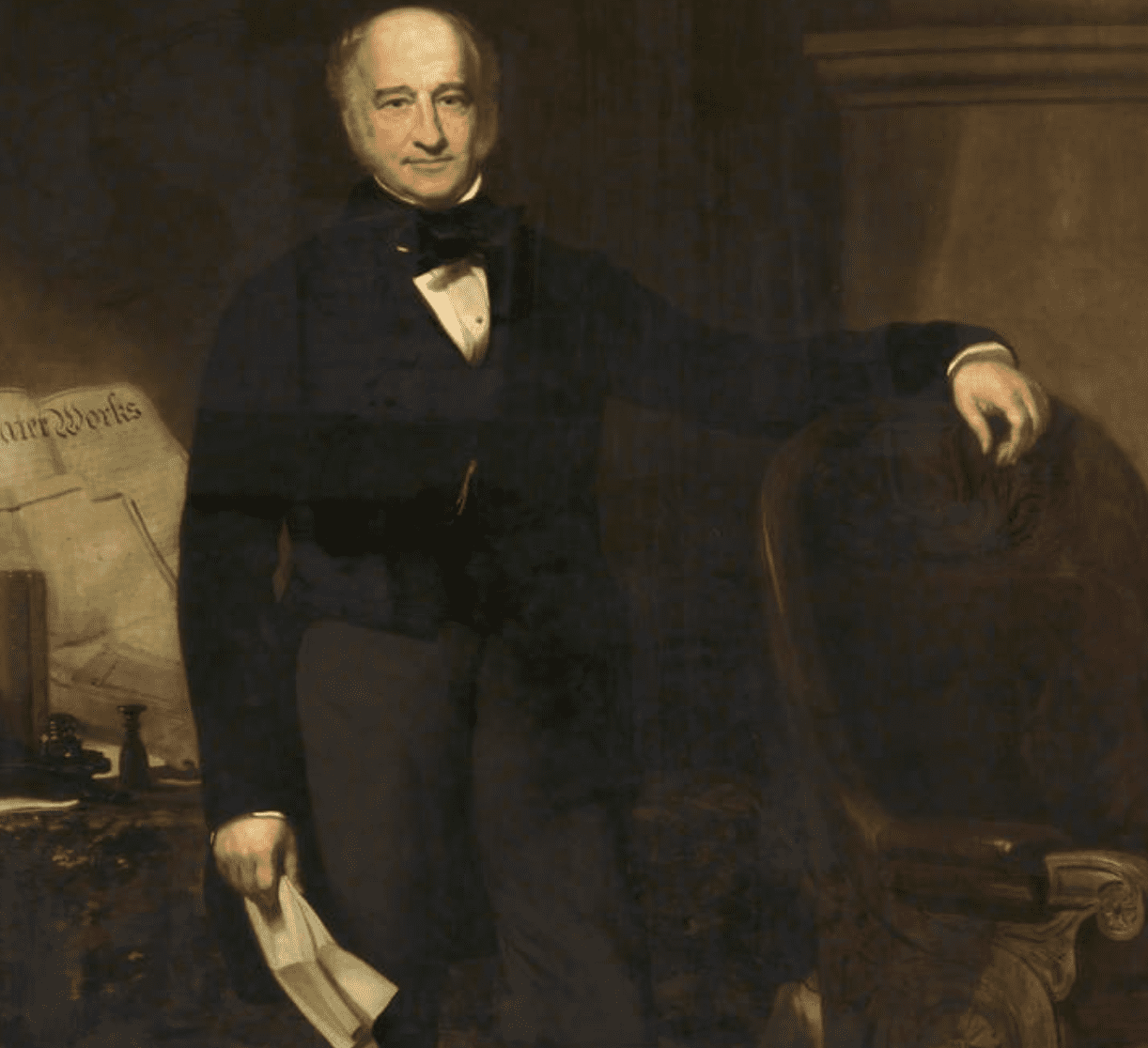
By the age of 22, Armitage was married and ready to launch his own venture—a fabric trading business. The couple opened a small shop on Chapel Street, Salford, in the 1810s.
At the time, Manchester’s textile industry was thriving, and the fabric trade proved lucrative for the Armitage family. Within a few years, he expanded the business to include his own weaving production, employing over 20 workers by the late 1820s. Armitage focused on manufacturing clothing, which he distributed and sold across Manchester.
His success quickly transformed him into an industrial magnate. He soon constructed another factory in Pendleton, Salford, naming it Pendleton New Mill. By the 1840s, his enterprise employed around 200 workers, producing canvas and check-patterned fabrics. Even during the economic downturn of the late 1840s, Armitage’s business thrived. By 1848, his factory had grown to employ 600 people.
As the years went by, Armitage continued to expand his business empire. By the late 1860s, he acquired another factory in Patricroft, further scaling his operations. His industrial achievements brought significant prosperity to Manchester and the region.
Entry into Politics
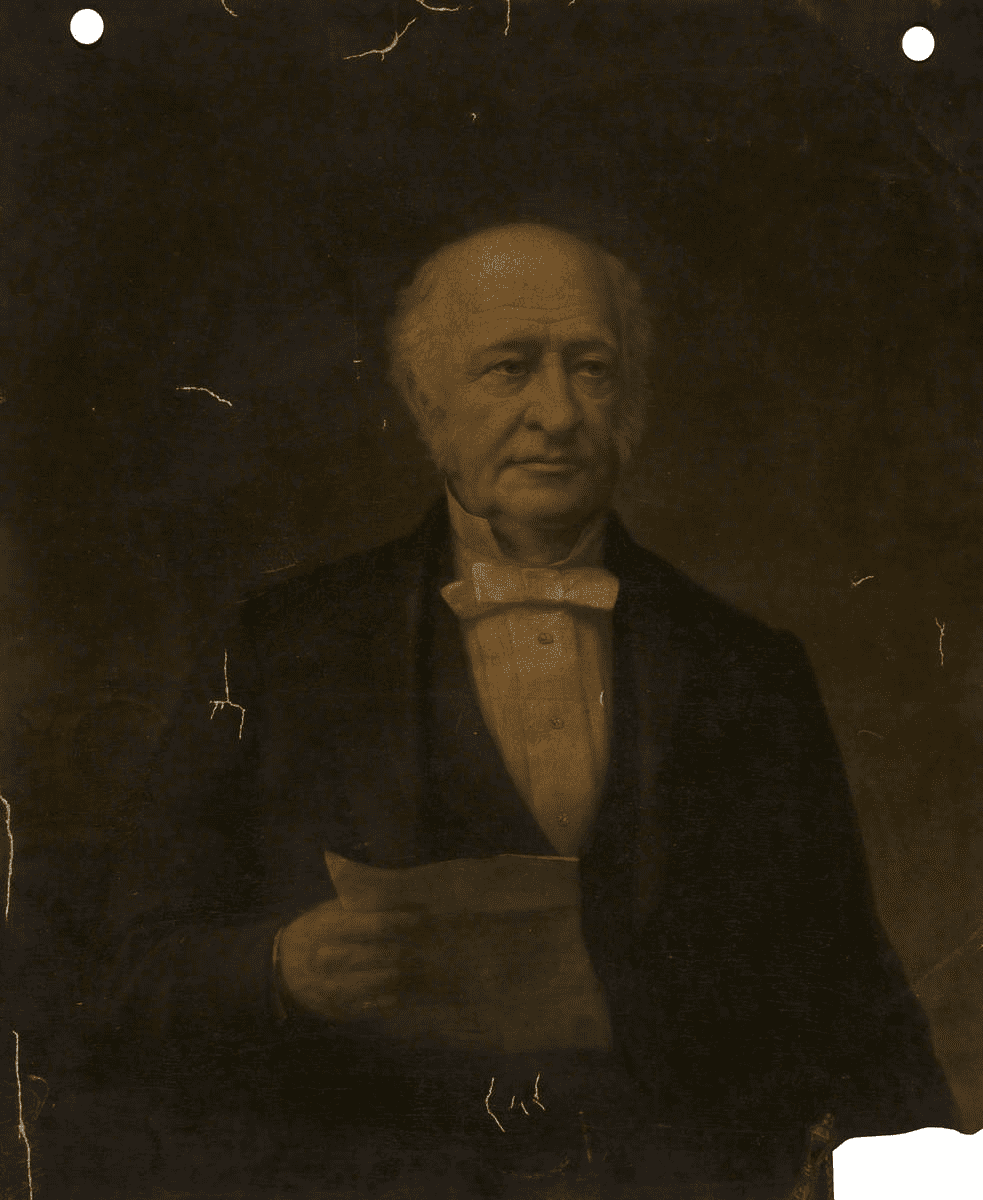
Armitage’s industrial success went hand in hand with his political involvement, which began at a young age. At just 12 years old, he signed a petition advocating for the abolition of slavery.
As his business flourished, Armitage’s influence grew, and he was elected to the Manchester City Council following the city’s incorporation as a municipal borough. Representing the Liberal Party and the Exchange Ward, Armitage used his platform to champion workers’ rights and economic development.
In 1841, he was elected as an Alderman, and five years later, in 1846, he became Mayor of Manchester. Although his tenure as mayor lasted only two years, Armitage achieved significant milestones during a challenging period of economic crisis. For his exceptional service to the city, he was knighted by Queen Victoria in 1849, receiving the title of Knight Bachelor.
Political Contributions
Armitage’s political career extended beyond his role as mayor and city councillor. In the 1850s, he attempted to secure a seat in the British Parliament, though these efforts were unsuccessful. In the 1860s, he served as the High Sheriff of Lancashire.
An ardent supporter of the Anti-Corn Law League, Armitage also opposed the Crimean War and was critical of Prime Minister Palmerston. His civic contributions included chairing the governing board of the Manchester Grammar School, serving as a governor of the Manchester Royal Infirmary, and acting as a Police Commissioner for Salford.
Elkana Armitage’s life was marked by significant contributions to both industry and politics. His leadership provided employment, economic growth, and civic improvements for Manchester and its residents.
Armitage passed away in 1876 at the age of 82, leaving behind a legacy of resilience, innovation, and public service.