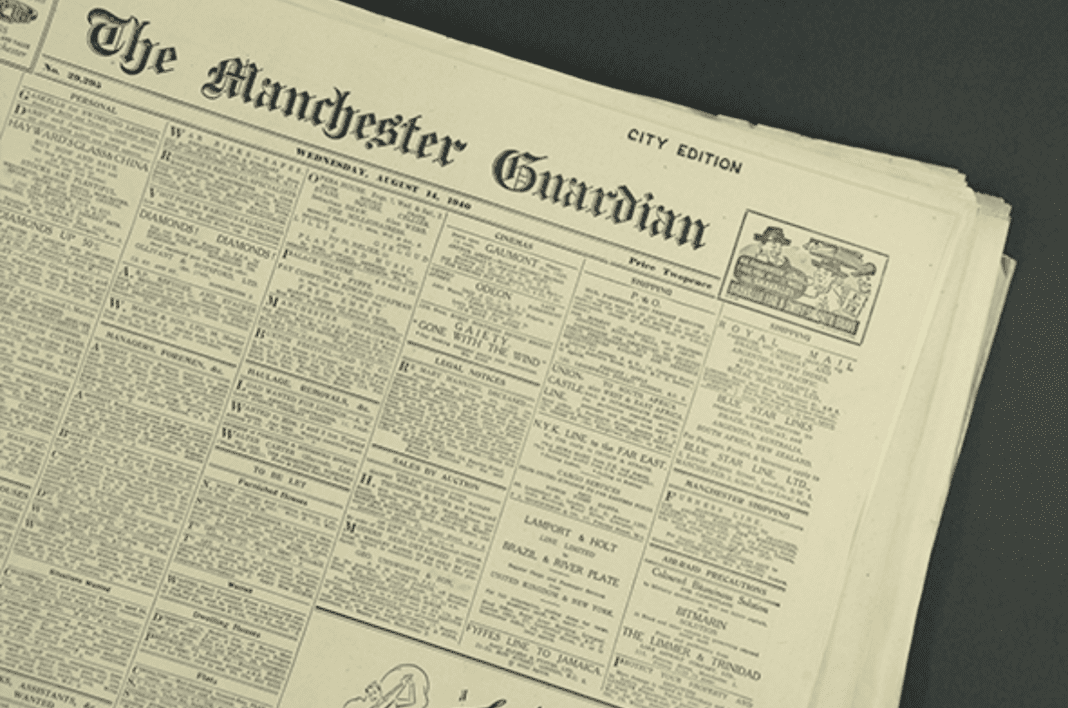

In the 21st century, The Guardian is the most famous newspaper in Great Britain. It informs the population of the country about various events every day. However, few people know that the history of the newspaper is closely intertwined with Manchester and its political life in the early 19th century. The Guardian had a profound impact on the formation of public opinion and influenced the political discourse of this industrial city. Learn more at manchesteryes.com.
The history of the newspaper foundation
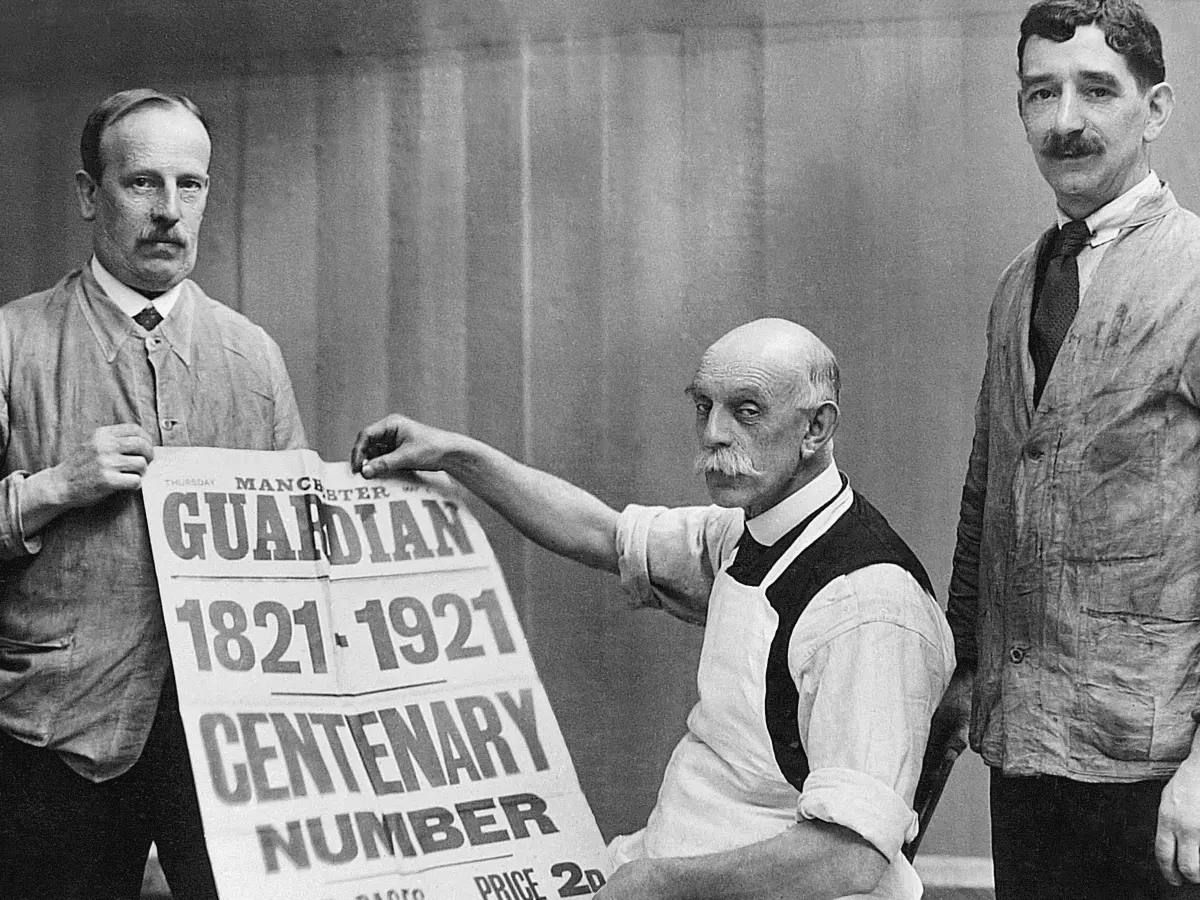
It is no secret that The Guardian is one of the most popular publications in the country today. However, few people know about its incredibly interesting and exciting history. The newspaper was founded in Manchester in 1821 against the background of the rapidly changing political situation in the city.
It should be noted that the city had already had the Manchester Observer newspaper at that time. However, it was closed in 1821 due to its radical political statements and the protection of protesters in Peterloo. Instead, a local cotton merchant John Taylor, being supported by a group of nonconformist liberals, decided to start a new publication, The Manchester Guardian. By chance, the date of its foundation coincided with the date of Napoleon’s death.
What preceded the foundation of the newspaper?
The creation of a new publication had a political basis. In particular, the founder of The Manchester Guardian, John Taylor, was hostile to radical reformers. For him and for the entire working class, the newspaper became a tool for promoting ideas and interests as well as expressing opinions.
The Manchester Guardian has become a mouthpiece of public opinion. It always tried to be more than just a newspaper, it was a voice for the voiceless at the time. The publication became a platform for marginalised groups of the population, illuminating and promoting their problems. The Manchester Guardian was often used to fight the injustice and inequality between the elite and the working class that existed in Manchester in the first half of the 19th century.
Via his newspaper, Taylor tried to defend the interests of the working class, challenged the status quo and held those in power accountable for their actions.
The Manchester Guardian was an important tool for the public in the 19th century and played a significant role in protecting and advancing the rights of the working class across the country.
Features of The Manchester Guardian activity in the 19th century
A characteristic feature of many publications of that time was affiliation with some political parties, which in turn, promoted their vested interests through newspapers. Nevertheless, The Manchester Guardian was an honest and independent newspaper. It just brought the facts, regardless of political affiliation.
The Manchester Guardian played a key role during almost the entire 19th century in highlighting the interests of the working class and its problems as well as in shaping public opinion on a wide range of issues. In particular, it concerned workers’ rights and social justice as well as electoral reform and free trade. The articles, which were written back then, had incredible power because they served as a real driving force for change. Thanks to The Manchester Guardian, the people of the city could come together and hold debates and discussions to change their lives for the better.
It should be noted that The Manchester Guardian made a significant contribution to the approximation and adoption of the 1832 Reform Act, which provided for the suffrage expansion for larger sections of the population. Its articles made it possible to mobilise public support and exert considerable pressure on parliamentarians to finally implement significant reforms, especially for the working class of industrial Manchester.
The Manchester Guardian transformed 19th-century industrial Manchester into a centre of political activity as well as radical and social reforms. For decades, the publication has highlighted important issues such as poverty, inequality and labour rights and helped shed light on the plight of the working class, spurring action and significant reforms.
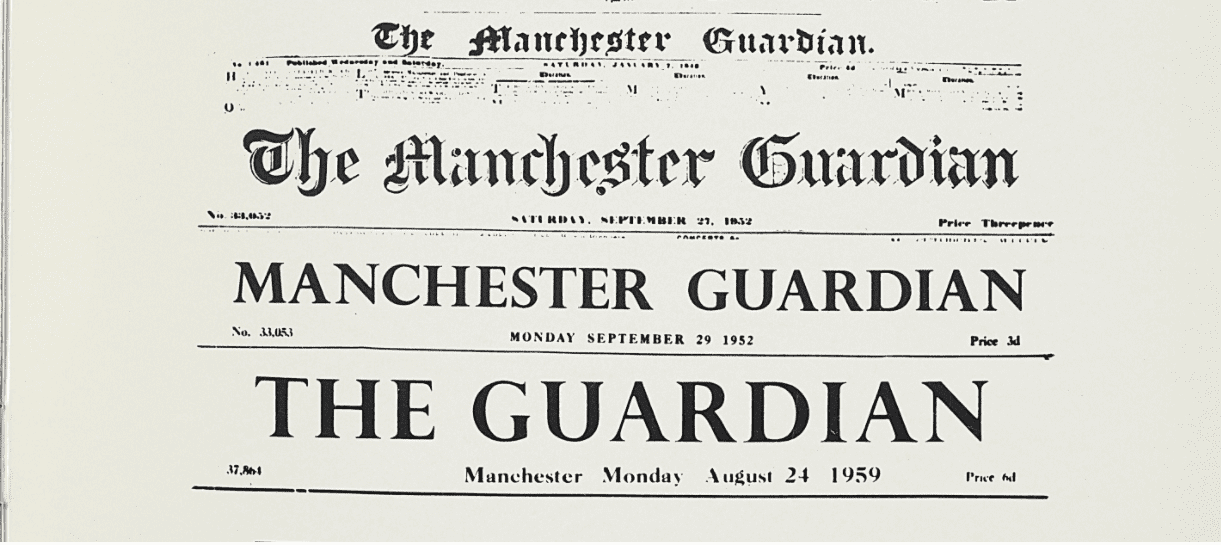
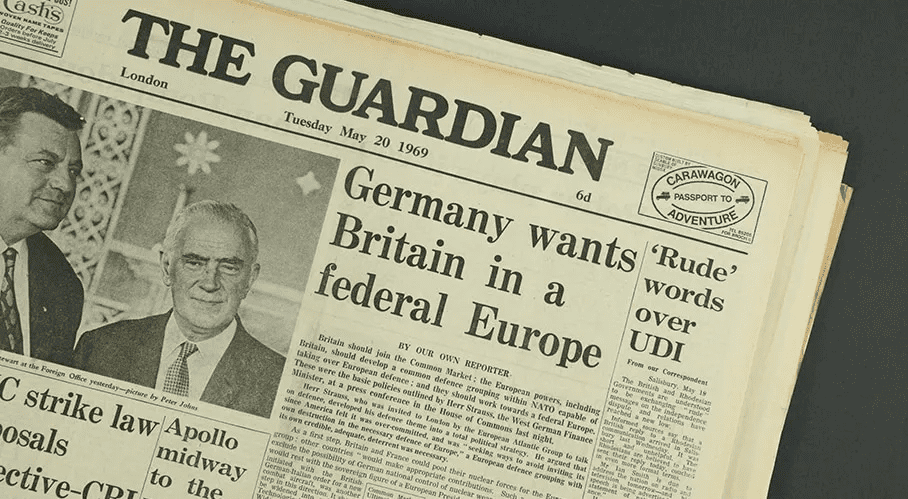
The establishment of The Manchester Guardian was an important turning point in the history of British journalism and Manchester’s politics in the 19th century. The newspaper continued to develop over the years. In 1959, it was renamed The Guardian. Throughout its existence, it has been and remains faithful to the principles of transparency, honesty and justice. In the 21st century, The Guardian is rightfully considered the most authoritative newspaper not only in Manchester but also throughout Great Britain. As in the 19th century, it continues to shape public opinion and influence the political discourse of the entire country.