

The Trades Union Congress, also known as the TUC, is the national trade union centre and the federation, whose members lobbied for the interests of workers in the territory of Great Britain. In the 21st century, there are about 48 affiliated trade unions in the UK, with over 5 million members. It should be noted that in the 19th century, the key events for the organisation took place in Manchester. Learn more at manchesteryes.com.
History of the organisation
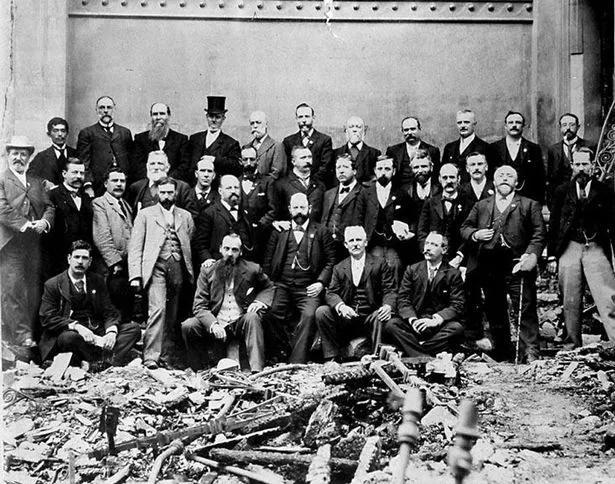
The history of the Trades Union Congress dates back to the second half of the 19th century, precisely to the 1860s. Despite the fact that the protection of employees at enterprises continued for many decades of the 19th century, there was no official trade union. The TUC’s forerunner was created in Sheffield, Yorkshire, in 1866. It was called the United Kingdom Alliance of Organised Trades.
This association of workers was created to protect the rights and interests of all its members. Those were working conditions, wages, benefits, etc
Manchester played an important role in the movement and protection of the workers’ rights in the factories and enterprises of the region. This city became the centre of the Trades Union Congress in the 19th century. As you know, it was an industrial city where the working class repeatedly encountered various difficulties for many decades. As the Industrial Revolution gained momentum, workers faced harsh conditions that called for urgent action. Against that background, the Trades Union Congress met for the first time in 1868.
The first meeting of the Trades Union Congress in Manchester

The 19th-century Manchester was the industrial heart of Great Britain. There were a lot of factories, and accordingly, workers. Therefore, this city became an ideal platform for the gathering of delegates representing various trade unions. They came together with a common goal to solve many problems faced by workers in various industries. Calls for an annual national trade union meeting, especially from the Manchester and Salford Trades Councils, were made repeatedly, but it wasn’t achieved until 1868. The idea was to create an organisation that would form a national and unified voice for the protection of trade union rights.
The very first meeting of the Trades Union Congress was held in the summer of 1868 in the walls of Manchester’s Mechanics’ Institute on David Street. More than 30 delegates from various trade unions attended the meeting. That day became the day of the Trades Union Congress establishment.
The raised issues

The members of the first meeting of the Trades Union Congress, which was held in Manchester, considered many important issues, including the role of the organisation, its goals and directions of activity. It was also decided that delegates would meet more than once a year to discuss important issues of the labour movement. Moreover, it was decided that the delegates should take action on all parliamentary questions concerning the interests of the working class. That decision paved the way for the formation of the Parliamentary Committee at the Third Trades Union Congress in 1871. It was created specifically to pressure MPs to amend the Trade Union Act 1871.
The Trades Union Congress, established in Manchester, became the starting point in ensuring real representation of workers and the entire working class at the highest level.
Achievements of the Trades Union Congress

At first, the Trades Union Congress failed to achieve results in ensuring proper working conditions and wages. This process was very long and laborious. Still, over the many years of activity, the TUC managed to show some of the most stunning results in the history of the labour movement. For example,
- the implementation of the Equal Pay Act 1970, which prohibited employers from paying women lower wages than those paid to men
- the introduction of the National Minimum Wage in 1999, which protected all low-paid workers
- the introduction of a limitation of working hours (days) in 1999, which was determined by the protection of workers’ health and providing safety at enterprises
- the implementation of the ban on smoking in public places since 2007.
The Trades Union Congress, which was first held in Manchester in 1868, played a huge role in securing workers’ rights on local and national levels. Thanks to this organisation, Manchester’s factory workers managed to achieve a lot, from favourable working conditions and a decent salary to working hours standard and holidays.