

The history of Manchester’s development as an industrial powerhouse is remarkably rich. Among the politicians, doctors, merchants, industrialists, and lawyers who left their mark, some remain celebrated while others have faded into obscurity. One such figure is Joseph Heron, a 19th-century statesman, successful lawyer, skilled politician, and accomplished administrator. Serving as Manchester’s City Clerk for over 40 years, Heron played a pivotal role in the city’s growth and governance. Who was Joseph Heron, and what legacy did he leave behind? Read on at manchesteryes.com
Origins of Joseph Heron

Joseph Heron is an oft-overlooked figure in Manchester’s history, despite his significant contributions. As the City Clerk, Heron’s name may not resonate as widely today as other Manchester statesmen, yet his meticulous attention to detail and dedication to public service greatly influenced the city’s governance and development.
Heron was born in 1809 in Deansgate House, Manchester, into a wealthy Nonconformist family. His father, a cotton merchant, provided a stable and prosperous upbringing. Like his family members, Heron attended the Moravian School. However, little is known about his early years and interests.
The first recorded mention of Heron in Manchester dates back to the 1830s, marking the start of his tenure as City Clerk.
Joseph Heron’s Role and Responsibilities
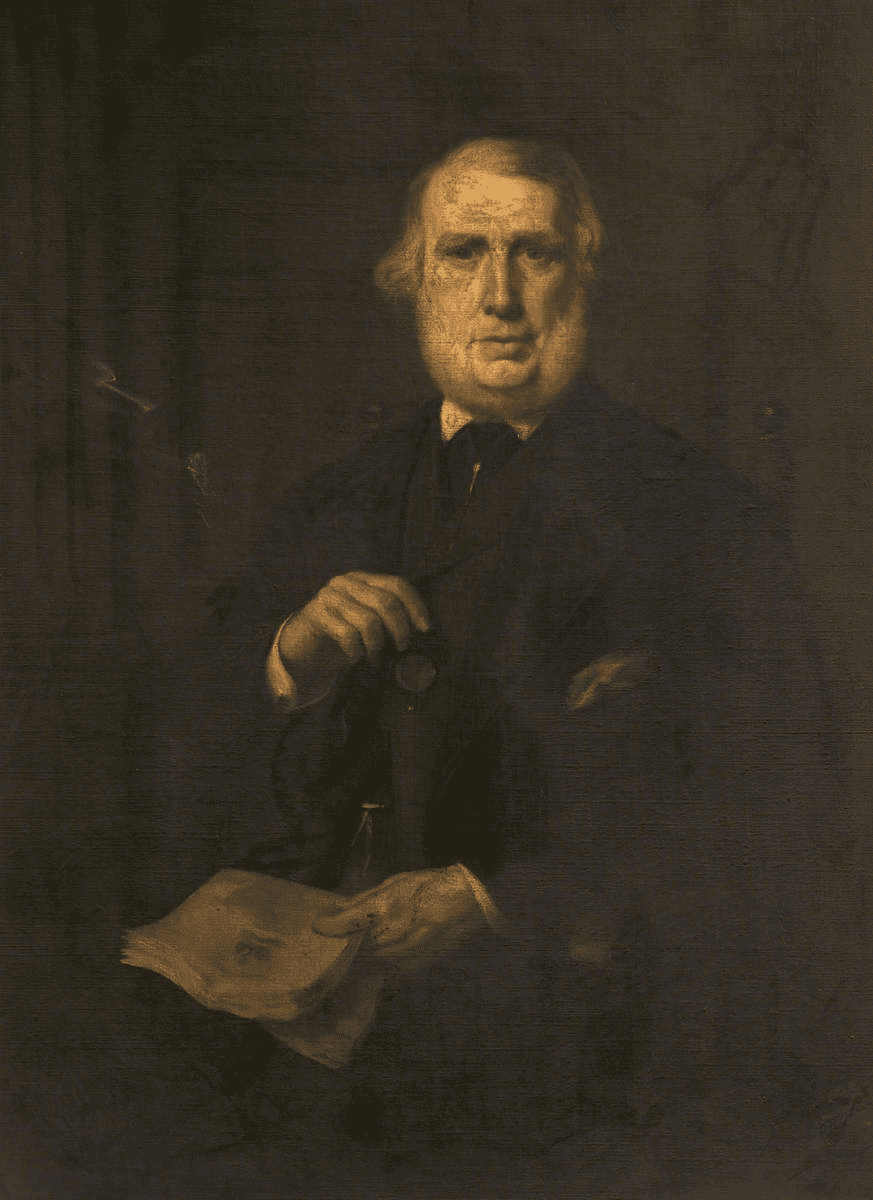
In 19th-century Britain, the City Clerk was a senior administrative officer responsible for the daily operations of the municipal council. Heron assumed this role in Manchester in 1838. As the City Clerk, he was the council’s chief executive officer, overseeing the implementation of decisions and ensuring the efficient delivery of services to the local population.
Heron’s duties were diverse and included:
- Managing the council’s administrative functions, including record-keeping and correspondence.
- Coordinating council activities and providing guidance on legal and procedural matters.
- Advising council members on legislative compliance and local regulations.
- Overseeing the city’s budget and ensuring accountability for every expenditure.
Working alongside the Manchester City Council, Heron helped shape policies and strategies to address local issues. He prioritised public engagement, often consulting residents to encourage their participation in municipal decision-making.
For decades, Heron played a vital role in maintaining effective local governance and representing the interests of Manchester’s citizens.
Heron’s Contributions to Manchester

Joseph Heron stands out as one of the few individuals to serve as Manchester’s City Clerk for over 50 years. Appointed in 1838, he held the role until his death in 1889, dedicating his life to public service and Manchester’s development.
Heron is remembered not only for the longevity of his service but also for his unwavering commitment to the public good. Throughout his career, his word was often considered law in civil matters and public perception. He actively listened to the concerns of residents and worked with the council to devise practical solutions.
Heron was committed to transparency and accountability in governance. Under his leadership, the City Clerk’s office became a model of efficiency, setting new standards for municipal administration in 19th-century Manchester. He introduced meticulous record-keeping practices, ensuring that all expenditures, meetings, and financial transactions were documented and accessible to the public.
One of Heron’s most notable achievements was establishing a reliable supply of clean water for Manchester. Under his direction, the massive Longdendale Reservoir Chain was constructed, representing the largest project of its kind globally in the mid-19th century.
Despite his remarkable contributions, Heron’s name is not as prominent in Manchester’s historical narratives. In recognition of his service, Queen Victoria knighted him in 1869. Joseph Heron passed away in 1889 at the age of 80, leaving a lasting legacy of public service and civic improvement.