

For decades, the mayors and civic leaders of Manchester have shaped its political, economic, industrial, and social spheres. Among them was William Batty, a renowned local jeweller, watchmaker, and later, Lord Mayor of Manchester. During his tenure as Lord Mayor, he made significant contributions to the city’s growth and prosperity. Next on manchesteryes.com.
From a Clergyman’s Familyʼ

Batty was born in the village of Dent, West Riding of Yorkshire, in 1828 to Reverend James Batty, a Congregationalist and Nonconformist preacher. Reverend Batty played a vital role in developing the village, even building a chapel for the local congregation in 1835.
However, William Batty did not follow his father into the ministry. Instead, he began his career as an apprentice watchmaker in the nearby town of Kirkby Lonsdale. Eventually, his path led him to the industrial city of Manchester.
Career Growth in Manchester
Life in the rapidly developing city was initially challenging. William lived in a small room on Deansgate, earning a living as a tradesman while repairing watches for local retailers.
In 1853, Batty saved enough money to open his own watch shop at 10 Albert Place, Bridge Street, near the then-new Albert Bridge. His business focused exclusively on selling high-quality watches.
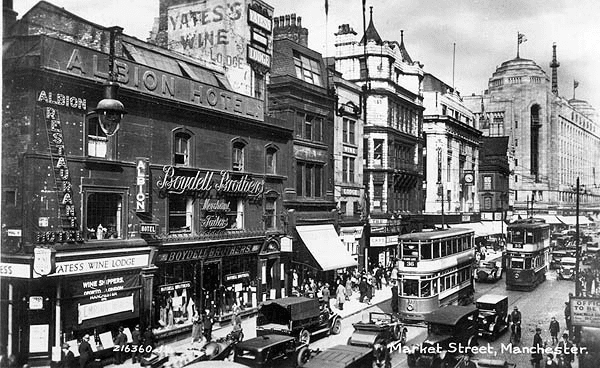
The shop thrived, and by 1862, Batty’s business expanded significantly. He opened larger premises on Market Street, Manchester’s main shopping area. Here, he not only sold high-quality watches but also offered diamonds, silver, gemstones, and galvanic items.
In the 1870s, Batty rebranded his business, naming it “William Batty & Son” in 1873 after bringing his eldest son, and later another, into the business. The name was eventually changed to “William Batty & Sons” to reflect this partnership.
Batty’s business continued to grow. By 1874, he had opened a new store on Cross Street, and in 1880, his operations expanded beyond Manchester to Southport and Liverpool.
William Batty in Politics
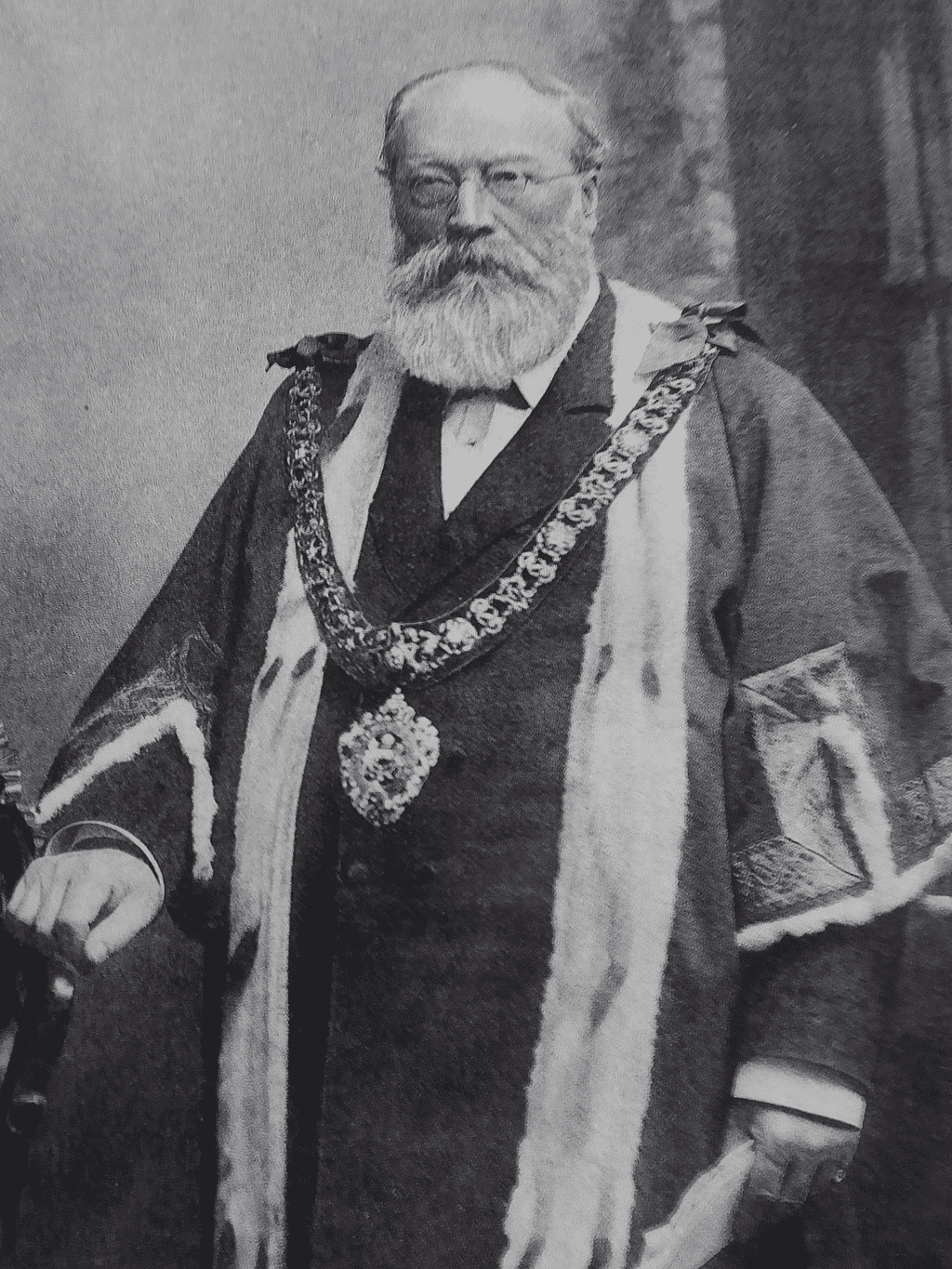
Alongside his thriving business, Batty was deeply committed to improving Manchester’s quality of life. In the 1860s, he entered politics to address pressing issues in the city. In 1868, he became a member of the Manchester City Council, representing the Parish of All Saints. When an alderman passed away in 1884, Batty assumed the position.
As an alderman, Batty championed the idea of constructing the Manchester Ship Canal, describing it as “one of the greatest projects ever conceived by humanity.”
Thanks to his dedication to the city’s development, Batty was elected Lord Mayor of Manchester in 1888. Although he served for only one year, his tenure was marked by significant events. He hosted the Shah of Persia, Nasir al-Din Shah Qajar, at Manchester Town Hall and oversaw the ongoing construction of the Ship Canal. Additionally, he welcomed Irish nationalist William O’Brien to the city.
As Lord Mayor, Batty prioritised housing for the poor and education. He also promoted economic growth, social equality, and cultural enrichment. He laid the groundwork for expanding public transport, modernising urban infrastructure, and attracting investment to the city.
Throughout his life, Batty cared deeply for Manchester’s residents, especially its most vulnerable populations. As Lord Mayor, he focused on anti-poverty initiatives and providing aid to those in need, earning him widespread admiration and respect.
In 1889, Batty retired as Lord Mayor and settled in central Manchester, devoting the rest of his life to teaching. He taught at the Wesleyan Chapel and Sunday School on Radnor Street.
William Batty passed away in 1893 at the age of 70, leaving behind a legacy of civic service, business success, and unwavering commitment to Manchester’s development.