

Manchester boasts a rich and extensive history of development. Its historical narrative includes numerous significant events, dates, and personalities who shaped the city’s identity. Among these influential figures is Thomas Potter, the first Mayor of Manchester. His contributions significantly impacted civic progress and the quality of life in the city. Next on manchesteryes.com.
What Do We Know About Manchester’s First Mayor?

Thomas Potter’s life began in 1774 in Tadcaster, Yorkshire, during an era marked by industrial upheaval and social transformation. Born into a prosperous family with eight siblings, Potter’s parents were cloth merchants who later acquired a farm. The family’s hard work made the farm successful, enabling them to send some of their sons to Manchester.
Two of Potter’s brothers settled in Manchester and established a warehouse. When Thomas came of age, he joined them in their business. His upbringing instilled in him a strong work ethic, persistence, and a desire for self-improvement.
Participation in the Liberal Nonconformist Movement

Living in Manchester exposed Potter to the city’s challenges, particularly the lack of parliamentary representation for growing industrial hubs like Manchester, Birmingham, Leeds, and Salford. This inspired him to form a group to support the less privileged and advocate for change.
In the early 19th century, Potter became a founding member of the “Little Circle”, a group of liberal nonconformists committed to political and social reforms. Their first meeting in 1815 focused on electoral representation and social reform across the UK. The group played a pivotal role in shaping the Reform Act of 1832, which introduced significant changes to the electoral system.
Potter’s influence extended to Manchester’s commerce. In 1820, he initiated the formation of the Manchester Chamber of Commerce, which promoted the interests of local businesses.
Political Career and Becoming Manchester’s First Mayor
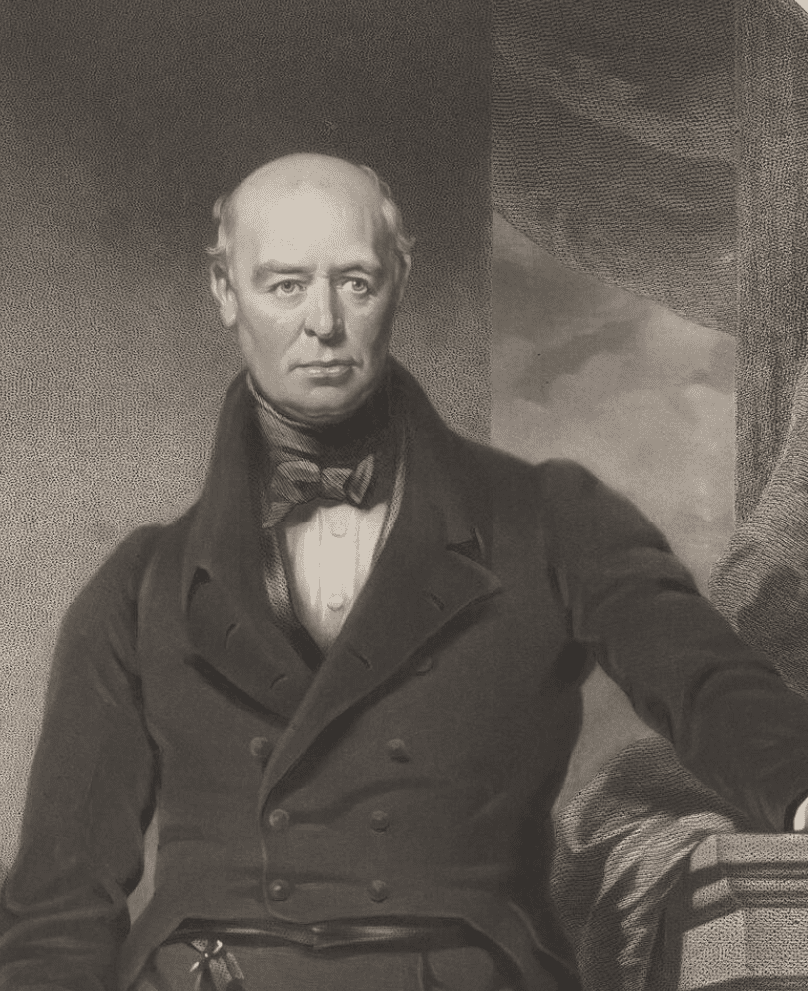
Potter’s ascent in politics was gradual, largely driven by his involvement in local business and public life. Initially, his brother was more active in politics while Potter focused on expanding the family business, transforming it into Manchester’s largest warehouse operation.
Potter’s political rise was the culmination of years of hard work and engagement with the community. His leadership qualities were evident during a time when Manchester needed progressive leadership to address the challenges of rapid industrialisation.
From 1832 to 1835, Potter actively campaigned against church rates in Manchester. Following the Municipal Corporations Act of 1835, he was elected to Manchester’s City Council and became its first mayor in 1838. Although his tenure lasted only two years (1838–1840), his contributions were substantial. Toward the end of his service, Potter was knighted for his efforts.
As Manchester’s first mayor, Potter worked to address the challenges of rapid industrialisation. He implemented strategic plans aimed at balancing industrial growth with the well-being of the city’s expanding population.
Potter was committed to innovation and progress throughout his career. He recognised industry as the driving force of Manchester’s growth and supported policies that fostered economic development. At the same time, he advocated for workers’ rights, striving to improve the quality of life for all residents.
Despite the social and economic inequality brought about by rapid industrialisation, Potter remained dedicated to his principles, working tirelessly to uplift the community.
Although his tenure as mayor was brief, his impact on Manchester’s development was profound. Potter passed away five years after stepping down as mayor in 1845, at the age of 70.
Thomas Potter remains an essential figure in Manchester’s history. His exemplary leadership qualities—honesty, dedication to justice, and commitment to the common good—define the ideal city leader of his time. His contributions laid the foundation for Manchester’s transformation into a thriving industrial and cultural hub.