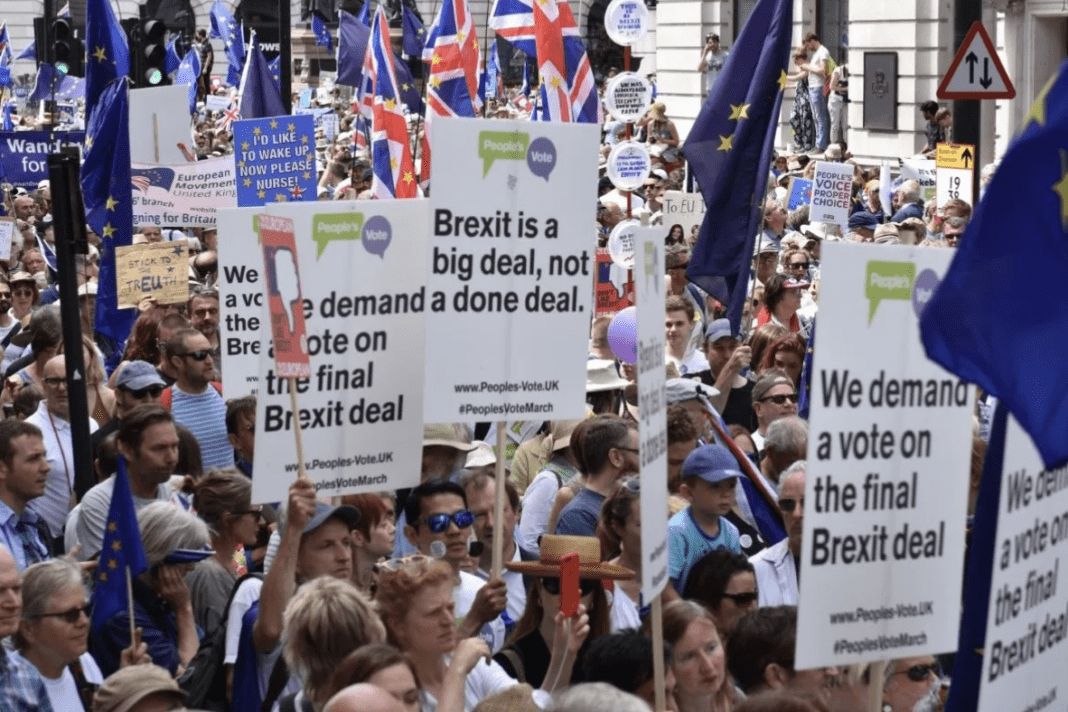

The 2016 Brexit referendum marked a pivotal moment in the United Kingdom’s history, resulting in a decision to leave the European Union. For Manchester, this event highlighted deep political divisions within the region. While the city itself voted overwhelmingly to remain in the EU, the surrounding boroughs largely supported leaving. Brexit posed unique challenges for Manchester’s economy, public services, and diverse communities, prompting local authorities to implement various initiatives to mitigate its potential negative effects. Next on manchesteryes.com.
What Is Brexit?
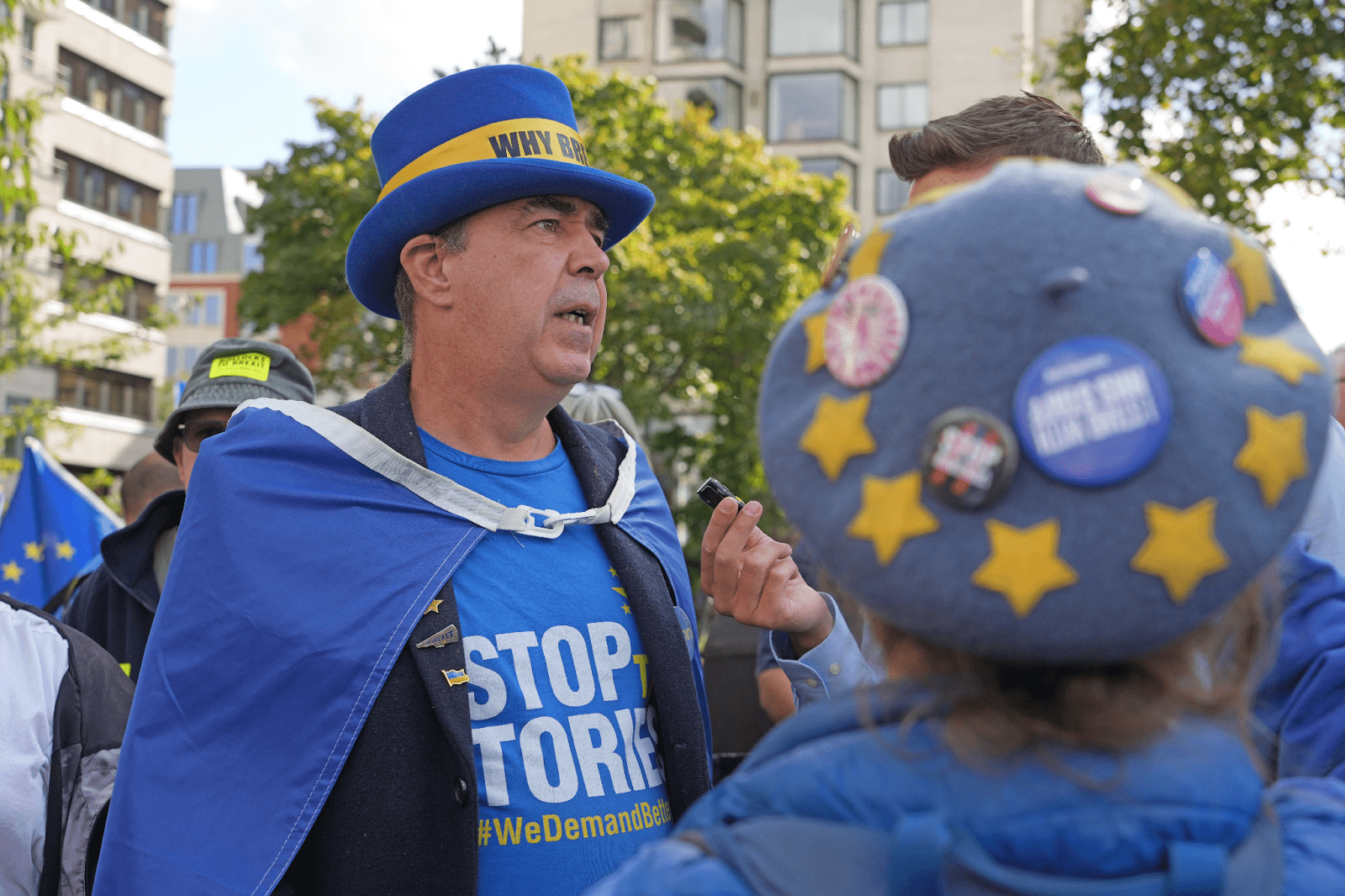
Brexit, derived from “Britain” and “exit,” refers to the UK’s withdrawal from the European Union. The decision stemmed from a 2016 referendum in which 51.9% of voters supported leaving the EU. However, discontent with the UK’s membership in the EU had been brewing for years, intensifying after the 2011 economic crisis. The rise of the UK Independence Party further fueled the debate. In 2015, Prime Minister David Cameron introduced legislation to hold a referendum, and the vote ultimately set the stage for the UK’s departure from the EU.
Political Divisions Over Brexit in Manchester
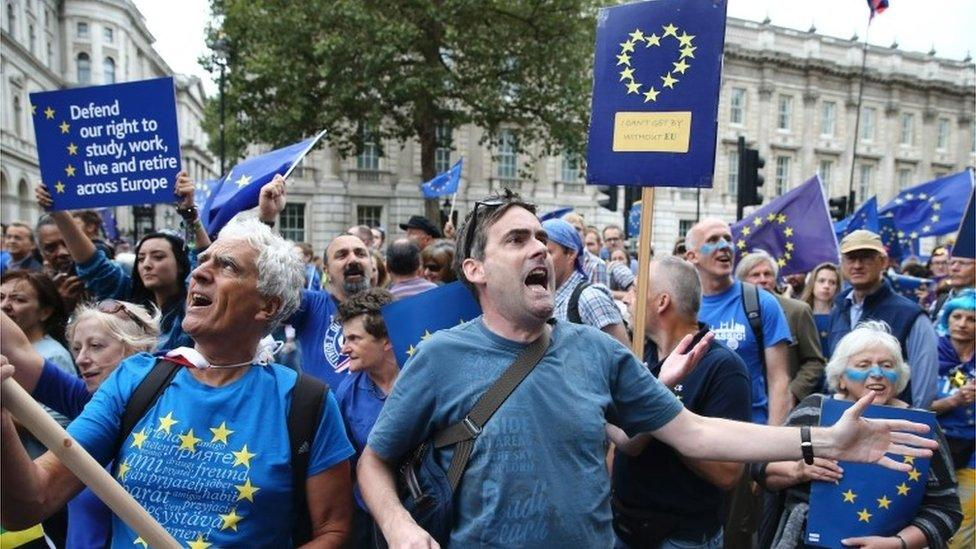
Manchester has a long history of active political engagement, serving as a birthplace for movements such as the labour movement and the fight for women’s suffrage. Unsurprisingly, Brexit became a contentious issue in the city, reflecting a stark contrast in political opinions within the region.
During the referendum, around 60% of Manchester city’s residents voted to remain in the EU, influenced by the city’s younger and more international workforce. Conversely, boroughs such as Wigan, Tameside, and Oldham voted heavily in favour of leaving. This division underscored the differing demographic and economic interests between the city and its surrounding areas. While Manchester benefited from EU membership through trade, investment, and cultural exchange, neighbouring boroughs viewed Brexit as an opportunity to regain national and local control, particularly in areas less integrated into globalisation.
The stark voting disparity highlighted a broader cultural and economic divide, reflecting the complexities of Brexit’s impact on a city with diverse interests.
Why Was Brexit Disadvantageous for Manchester?
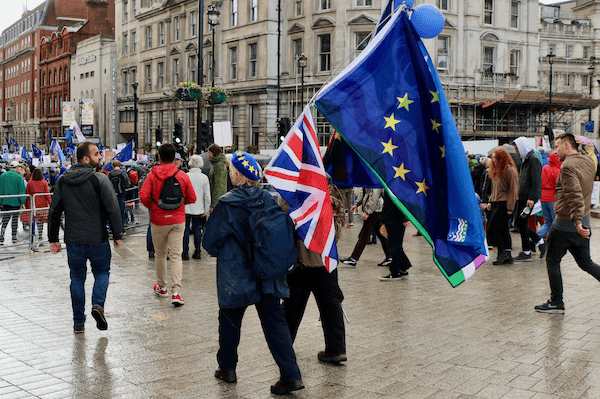
As an industrial and commercial hub, Manchester has historically driven the UK’s economy. Its factories and industries have not only provided jobs to local residents but also attracted workers from across Europe. Brexit disrupted this dynamic, creating significant economic challenges for Manchester due to its reliance on trade, investment, and EU migrant labour.
To address these issues, local authorities implemented several projects aimed at stabilising the city’s economy and mitigating the effects of Brexit. Key initiatives included:
- Expanding International Trade: Manchester developed strategies to strengthen trade ties with global markets, including the US, China, and India. This diversification aimed to offset the loss of EU trade.
- Promoting Local Investment: Authorities encouraged investments in technology, manufacturing, and green energy to compensate for the anticipated reduction in EU funding. This funding had previously supported research, infrastructure, and innovation projects across the region.
- Retaining EU Labour: Recognising the importance of a skilled workforce from the EU, efforts were made to retain existing migrant workers and attract new talent.
Brexit also threatened Manchester’s access to EU funding, which had played a vital role in advancing local development projects. In response, the city focused on securing alternative sources of investment and maintaining partnerships to continue supporting its growth and innovation.
Manchester’s Adaptation to Brexit
Despite the challenges posed by Brexit, Manchester demonstrated resilience through proactive local initiatives. The city emphasised addressing labour shortages, fostering social cohesion, and forging new international partnerships. These measures reflected Manchester’s determination to adapt and maintain its status as a global and inclusive city.
While Brexit exposed political and social divides within Manchester and its surrounding areas, the city has worked to navigate these challenges and emerge as a unified and forward-thinking region. Today, Manchester continues to strive for economic stability, innovation, and inclusivity, reaffirming its role as a key player in the UK’s post-Brexit landscape.