

Manchester has long been celebrated for its industrial power and economic potential. Its factories and mills, thriving during the 18th and 19th centuries, attracted immigrants from all over the world, offering new opportunities, jobs, housing, and decent wages. As a result, the industrial city became a magnet for people from Ireland, the Caribbean, Asia, and Eastern Europe over the years. During that era, Manchester transformed into a hub of immigration and multiculturalism. The influx of people from diverse parts of the world shaped the city’s identity, turning it into a vibrant metropolis with a rich cultural and economic life. However, alongside this growth, the rise in immigration eventually led to sharp political disagreements, particularly concerning integration, resource management, and the cultural impact of multiculturalism on local communities. Next on manchesteryes.com.
Immigrants in Manchester

In the 21st century, Manchester’s immigration landscape remains similar to that of the 18th and 19th centuries. People from all over the world continue to migrate to the city in search of a better life, decent work, and higher incomes. For instance, 1.2 million people arrived in the United Kingdom in 2022, with net migration accounting for 745,000. As of the 2020s, Manchester’s population mainly consists of young people and working-age students. In 2021, the population was estimated at 549,600, which increased by 2.6% in 2022 to reach 563,600. This population growth is largely attributed to immigration, and the numbers continue to rise yearly.
Issues of Immigration
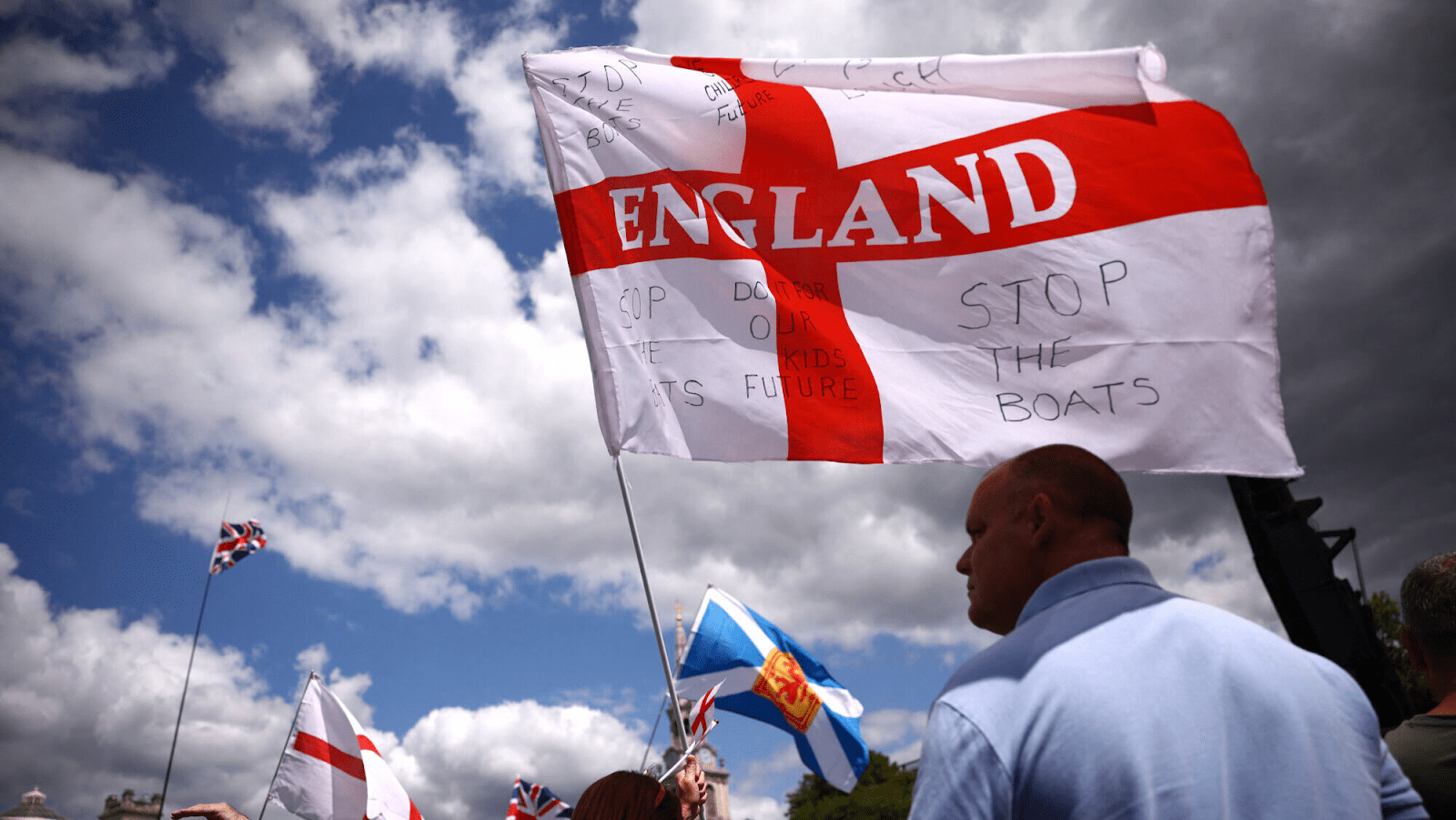
One of the central topics in political debates about immigration in 21st-century Manchester is the economic impact of increased migration. Immigrants undeniably contribute to the local economy, filling crucial roles across various industries, from healthcare to hospitality and construction. Reports from local authorities and organisations have shown that immigrants often take jobs that local residents are unlikely to fill, keeping businesses operational and stimulating the local economy. Additionally, the city’s cultural diversity attracts tourists and investments, boosting Manchester’s international appeal.
However, this positive contribution comes with challenges. The annual influx of new residents has placed pressure on public services, housing, and infrastructure. In some areas of Manchester, schools and hospitals are overcrowded, while finding affordable housing has become a significant issue due to rising property and rental prices driven by demand.
Integration remains a contentious issue among Manchester’s residents and authorities. Debates revolve around whether immigrants should fully integrate into their new communities, creating a cohesive society, or whether they should preserve their unique cultural traditions, allowing diverse communities to coexist side by side.
Conflicts between immigrants and locals, as well as among different migrant groups, have further complicated matters. For example, clashes between Muslim and Hindu youths in Leicester, ongoing tensions between Indian and Pakistani communities partly rooted in the Kashmir conflict, and disputes between Afghan and Romanian migrants have caused concern among local residents.
Modern Approaches to Resolving Immigration Issues
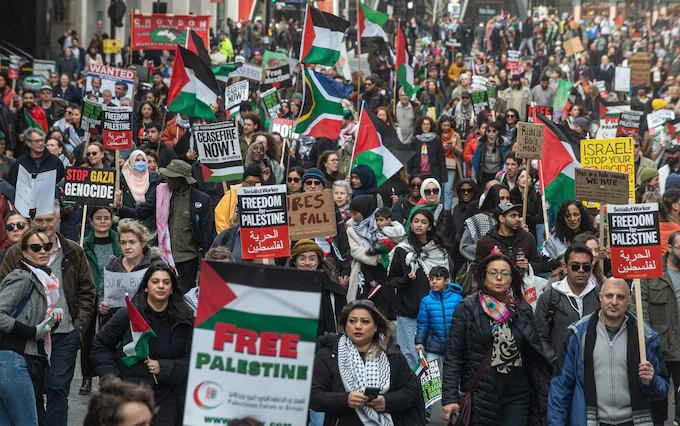
Modern problems require modern solutions, and Manchester’s authorities are continually refining migration policies to address these challenges. For instance, in the 2020s, housing initiatives have been actively promoted to meet the needs of growing communities, alongside investments in public transport and healthcare to improve accessibility for all residents. Furthermore, vocational training programs help both locals and newcomers develop skills and secure stable jobs in the region.
One of the key approaches to migration policy in Manchester involves offering language courses and employment support. These initiatives provide a significant boost for newcomers, helping them navigate life in Manchester and bridging the gap with local residents.
Recognising the frequent clashes between different groups in the city, Manchester’s authorities have also prioritised citywide safety measures in the 2020s.
Despite these ongoing initiatives, immigration challenges remain pressing in Manchester in the 21st century. Brexit, for instance, has had a profound impact on the city, affecting not only local migration policies but also national ones. It has introduced uncertainty regarding the availability of workers in sectors historically reliant on migrant labour.
Source:
- https://politicsinpubs.org.uk/manchester-immigration-and-social-mobility/
- https://www.ons.gov.uk/peoplepopulationandcommunity/populationandmigration/populationestimates/articles/populationandmigrationstatisticstransformationmanchestercasestudy/2023
- https://www.movingpeoplechangingplaces.org/locations/migrant-manchester.html