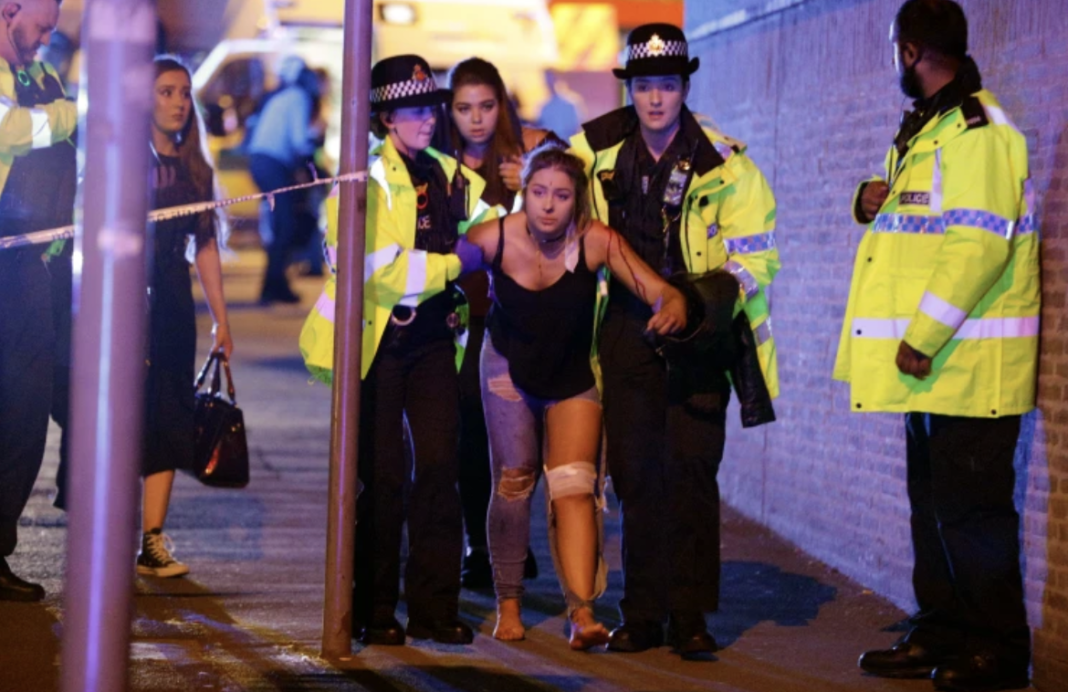

Manchester’s history is not only about achievements, discoveries, and successes, nor is it solely about its creators: politicians, artists, lawyers, musicians, and industrialists. Its history also includes dark chapters filled with tragedies, violence, and innocent victims. One of the most horrifying events in Manchester occurred in 2017, when an Islamic extremist carried out a deadly terrorist attack at Manchester Arena. The attack happened just after Ariana Grande’s concert had ended, as attendees were leaving. For 22 people, it became their last concert, and 1,017 others sustained injuries of varying severity. The venue’s foyer was also completely destroyed. Next on manchesteryes.com.
The Reasons Behind the Suicide Attack

The suicide bomber was Salman Abedi, whose actions were motivated by hatred and a desire for revenge. He was particularly angered by U.S. intervention in the Syrian war and the deaths of children caused by explosions. A turning point came in 2016, when Abedi’s close friend Abdul Wahab Hafidah was struck by a car and stabbed to death by a Manchester gang. At his friend’s funeral, Abedi vowed to seek revenge for these acts of violence.
Preparation and Construction of the Bomb
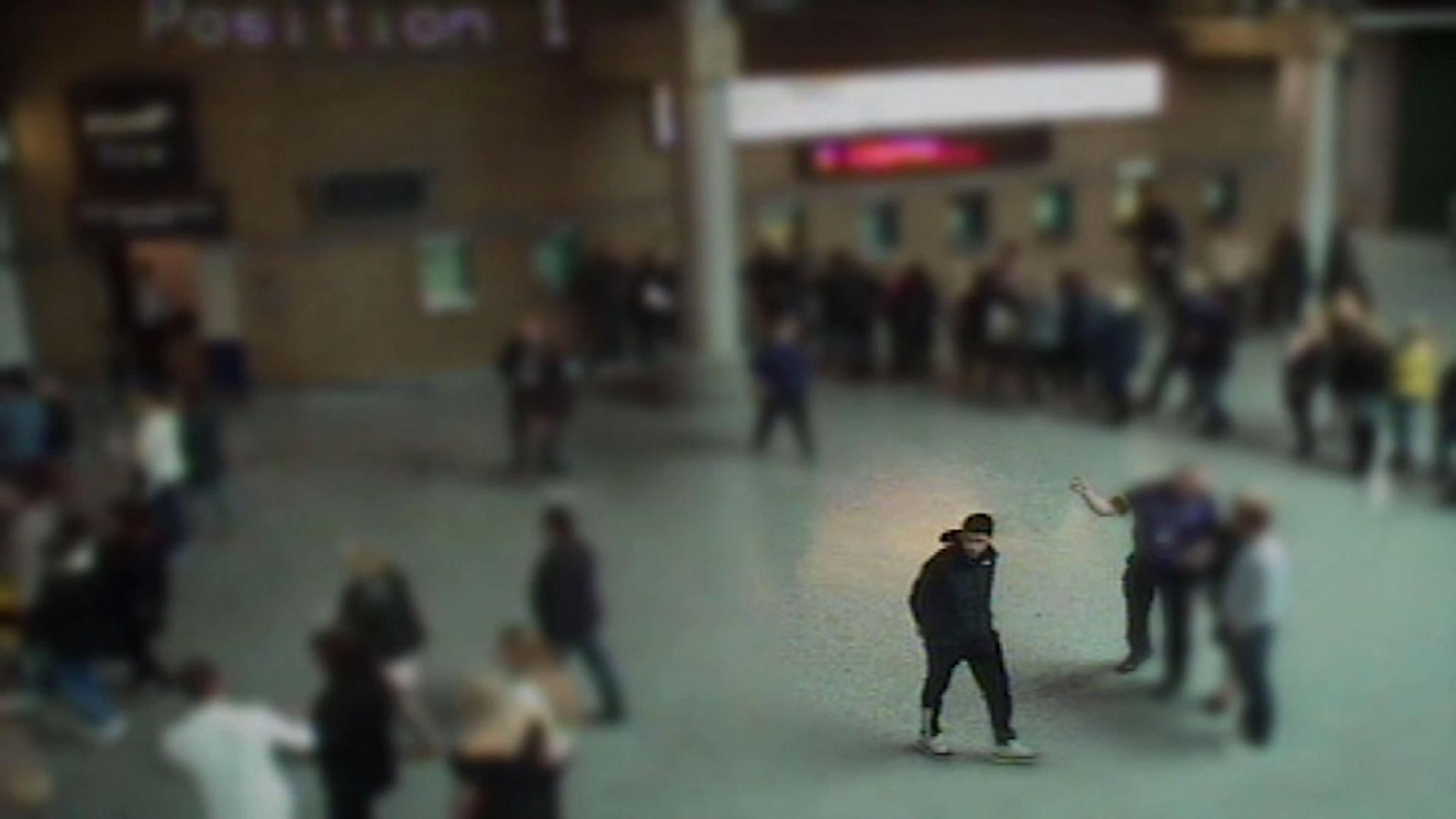
Following these events, Abedi became resolutely determined to carry out a suicide bombing. He began meticulously preparing and selecting a target, gathering materials and information about Ariana Grande’s planned concert in Manchester.
Abedi constructed the bomb himself, using triacetone triperoxide (TATP). Similar devices are taught to ISIS members. His bomb was an improvised device, carefully designed and assembled. It contained metal nuts and bolts, a 12V 2.1Ah lead-acid battery manufactured by GS Yuasa, and TATP, a common explosive used by terrorists. The bomb was powerful enough to kill people up to 20 metres (66 feet) away.
The Explosion

Abedi planned to target Manchester Arena and the fans attending Ariana Grande’s concert. Grande began her performance at 9:00 PM on May 22, 2017. Abedi spoke to his younger brother, Hashem, by phone approximately 15 minutes before the attack. Hashem was later found to be complicit in this horrific crime.
Throughout the concert, Abedi roamed the venue, surveying the surroundings and planning the details of his attack. Five constables were supposed to patrol the venue, and all of them saw him at some point, yet none were present in the foyer at the time of the explosion.
Minutes before the explosion, at 10:12 PM, Abedi drew the attention of a member of the public, who asked him about the contents of his bag, concerned that it might contain a bomb. Abedi did not respond. This individual reported their concerns to event staff. However, one staff member, fearing accusations of racism, decided not to take any action. The concert ended at 10:30 PM, and attendees began heading toward the exits. Abedi positioned himself in the main foyer, where at 10:31 PM, his nail bomb, weighing over 30 kilograms (66 pounds), detonated. The attack killed 23 people, including Abedi himself, and injured over 1,000 others. The joyous atmosphere of the concert turned into a scene of horror and bloodshed within seconds.
Victims and Aftermath
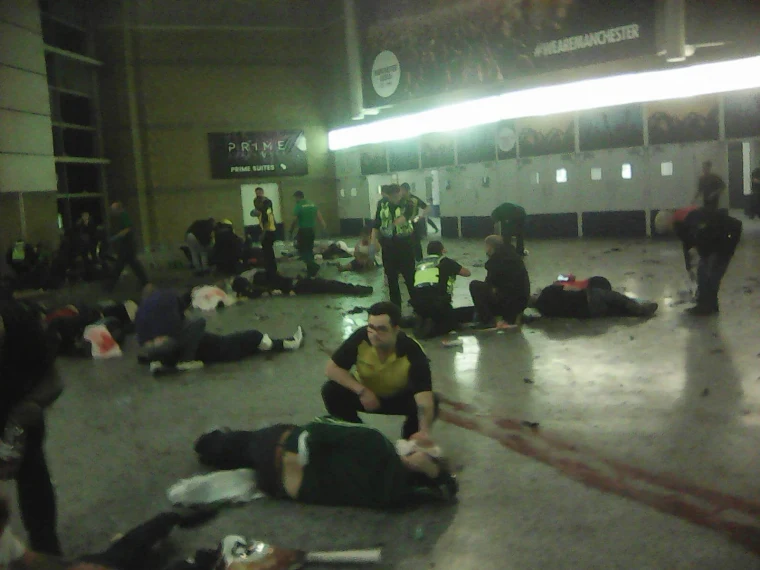
At the time of the explosion, over 14,000 people were present at the arena. The 22 victims included 10 individuals under the age of 20, an eight-year-old girl, and a 51-year-old woman. Of the victims, 20 were British, while two were Polish residents living in the UK. The blast’s aftermath was so devastating that families struggled to identify their loved ones.
Abedi’s brother, Hashem, who had spoken to him shortly before the bombing, faced trial in 2020. He was found guilty of planning the Manchester attack and convicted of murdering 22 innocent people, attempted murder, and conspiracy. Hashem was sentenced to life in prison, with a minimum term of 55 years—the longest sentence ever handed down in UK judicial history. A public inquiry, published in 2021, revealed significant failures by UK police and MI5, who were criticised for their slow response and insufficient efforts to prevent the attack.
Abedi’s attack led to heightened security measures in public spaces across Manchester and other UK cities. The government also began developing new and more effective counterterrorism strategies.
The suicide bombing carried out by Abedi on May 22, 2017, remains one of the deadliest and most tragic events in Manchester’s history.